Choosing the right metal for your jewelry collection can feel overwhelming, but it’s a decision that significantly impacts your pieces’ look, feel, and longevity. Each metal offers unique characteristics, from the classic warmth of gold to the sleek durability of titanium. Understanding these properties can help you select pieces that not only resonate with your style but also match your lifestyle.
How to Choose the Right Metal for Your Jewelry Collection
Choosing metals for jewelry involves several key steps that ensure your selection aligns with your style and practical needs.
- Evaluate Personal Style: Determine which metal resonates with your aesthetic preferences. Gold offers a classic, warm hue that complements a variety of styles. Platinum presents a modern, sleek look ideal for contemporary designs.
- Consider Longevity: Identify how often you plan to wear the pieces. For daily wear, durable metals like platinum withstand scratches and maintain their appearance over time. Gold vs platinum for jewelry showcases significant differences in resilience; platinum typically remains better for those with active lifestyles.
- Assess Maintenance Requirements: Review how much effort you can devote to upkeep. Gold, particularly lower karat varieties, may require more frequent polishing compared to platinum, which is naturally resistant to tarnishing.
- Account for Skin Sensitivity: Pay attention to any metal allergies. Hypoallergenic metals like platinum work best for sensitive skin, minimizing irritation in any wearer.
- Budget Considerations: Establish a budget and evaluate your options. If budget constraints exist, silver and lower karat gold can provide elegant choices without excessive expense.
By methodically evaluating your personal style, durability needs, maintenance preferences, skin sensitivities, and budget, I’m confident you can select the perfect metal for your jewelry collection.
Understanding Different Types of Metals
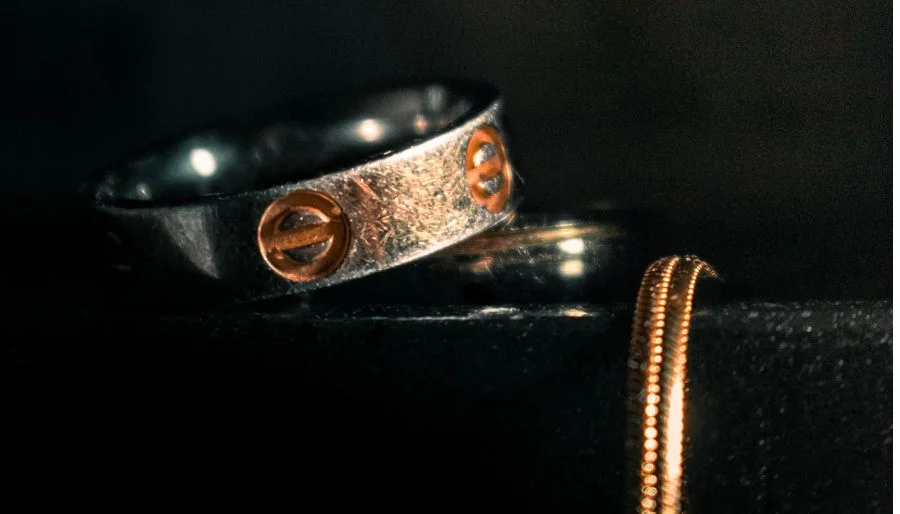
Choosing metals for jewelry involves understanding the unique characteristics of various options. This section covers precious metals, known for their durability and allure.
Precious Metals
Precious metals include gold, silver, and platinum. Each metal brings distinct advantages. Gold captures attention with its natural luster and warm hue. With various karat levels available, 24-karat gold represents pure gold, while lower karat options like 14-karat or 18-karat blend strength with beauty. Platinum stands out for its density and resistance to tarnishing, making it ideal for individuals seeking longevity in fine jewelry. Specifically, platinum rank holds a higher value and rarity compared to gold, contributing to its popularity in engagement rings and wedding bands.
Silver, especially sterling silver (92.5% pure), provides an affordable alternative with sufficient durability for everyday wear. Many designs incorporate metals in their alloying process for enhanced strength and versatility.
When considering gold vs platinum for jewelry, evaluate factors such as personal preference for color and weight, potential skin reactions, and budget constraints. Each metal’s visual appeal and practical characteristics significantly impact my jewelry collection’s overall value and significance.
Alternative Metals
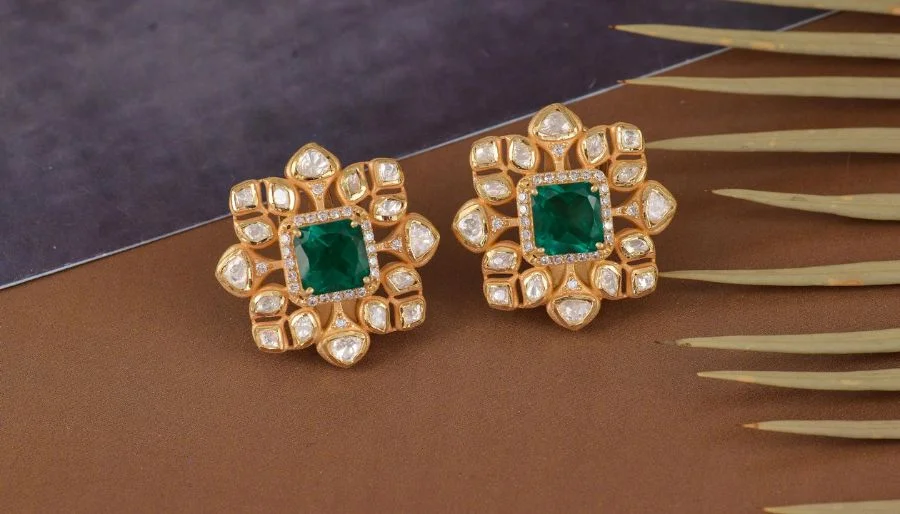
Alternative metals offer unique benefits for jewelry collections, combining aesthetics with practicality.
Titanium
Titanium stands out for its exceptional strength and lightweight properties. As the hardest natural metal, titanium maintains a striking silvery-white color and resists corrosion. Its hypoallergenic characteristics suit sensitive skin, making it a preferred choice for wedding bands and other everyday wear. For those seeking durability without sacrificing comfort, titanium is a strong contender when choosing metals for jewelry. Its resistance to scratches, though not foolproof, ensures that regular polishing restores its shine.
Stainless Steel
Stainless steel offers durability and affordability, making it a popular choice in jewelry. This metal contains over 10% chromium, providing resistance to tarnishing and corrosion. Stainless steel remains easy to clean and maintain with mild soap and warm water. Frequently associated with masculine designs, it also suits women’s jewelry needs. Its long-lasting nature and versatility make stainless steel a practical option for both casual and formal pieces.
Palladium
Palladium emerges as a rare and lustrous alternative metal similar to platinum. It offers a white hue that maintains its color while resisting tarnish. Known for its lightweight quality compared to gold and platinum, palladium provides a comfortable option for rings and pendants. Its hypoallergenic properties make it a suitable choice for wearers with sensitive skin, enhancing its appeal in fine jewelry collections.
Others
Other alternative metals worth considering include cobalt and zirconium, each offering unique properties. Cobalt is known for its hardness and vibrant color, ideal for creating striking statement pieces. Zirconium offers a high level of durability and can be treated for a unique black finish, providing a modern twist on traditional styles. Each alternative metal presents specific advantages that can accommodate different tastes and lifestyles while diversifying a jewelry collection.
Factors to Consider When Choosing Metal
Selecting the appropriate metal for my jewelry collection involves several crucial factors. Evaluating these aspects fosters an informed decision that enhances both personal style and enjoyment.
Maintenance and Care for Jewelry Metals
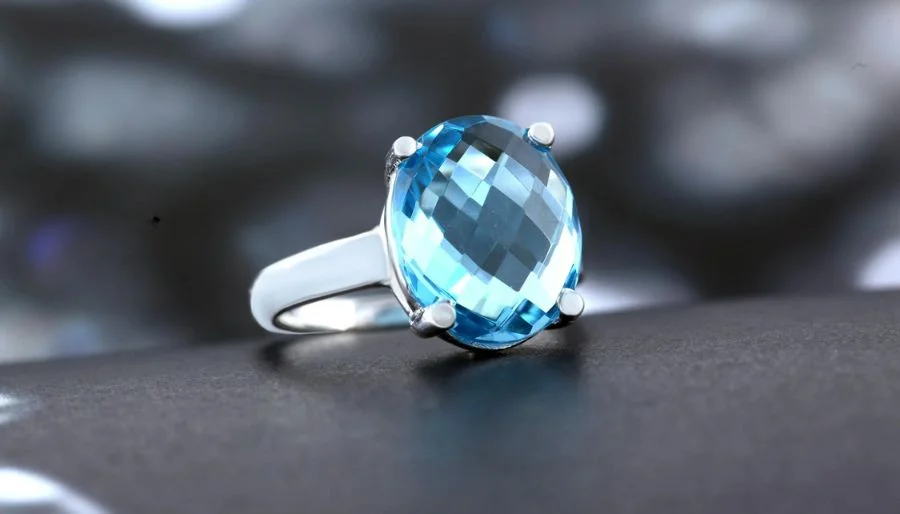
Proper maintenance and care ensure that jewelry metals retain their beauty and durability. Understanding specific cleaning methods and storage techniques for different materials enhances the longevity of each piece.
Cleaning and Upkeep
Cleaning practices vary with metal types. Gold jewelry requires mild soap and water for effective cleaning without risking damage. Solid gold offers low maintenance, needing minimal upkeep. In contrast, silver and sterling silver jewelry often tarnishes and requires regular polishing with specialized cleaners to maintain their shine. For rhodium-plated jewelry, including white gold, timely reapplication of the plating preserves its bright finish. Regularly taking jewelry off enhances cleaning, as reducing exposure to moisture and beauty products helps prevent oxidation. Professionals can offer deep cleaning services as well, ensuring thorough maintenance of fine pieces.
Storage Tips
Storing jewelry properly prevents damage and tarnishing. Airtight containers work well for sterling silver and gold vermeil, minimizing oxidation risk. Keep pieces separated to avoid scratches, especially between softer metals like silver and harder ones like gold or platinum. Storage in a dry, cool place helps maintain the quality of the jewelry. Special care for precious metals like platinum allows for flexibility in everyday wear due to its durability; however, it’s still wise to avoid prolonged exposure to lotions or chemicals. By implementing effective storage strategies, I can extend the life of my jewelry collection.
Common Issues and Troubleshooting
Addressing common issues with jewelry metals enhances both longevity and satisfaction. Here are key points for resolving frequently encountered problems.
What to Do About Tarnishing
Tarnishing occurs predominantly in silver and sterling silver. To restore shine, clean silver with a solution of mild soap and warm water, ensuring a gentle scrub with a soft cloth. Prevent tarnishing by storing silver pieces in airtight containers and avoiding exposure to moisture. For more severe tarnish, using a specialized silver polish can effectively remove discoloration, restoring the jewelry’s original luster.
Dealing with Scratches and Damage
Scratches affect both precious and alternative metals. To minimize visibility, buff scratches on gold and platinum with a soft, non-abrasive cloth. Buff titanium and stainless steel carefully to preserve their finish as well. For deeper scratches, seek professional refinishing services; this option ensures proper restoration while maintaining the integrity of the pieces. Regularly rotating jewelry minimizes wear and helps prevent damage over time.
When to Consult a Professional
Consulting a professional is advisable for significant issues, including severe tarnishing, deep scratches, or structural damage. Seeking expert advice ensures appropriate methods for cleaning and restoring pieces, especially for valuable metals like gold and platinum. Additionally, if uncertainties arise regarding care and maintenance of metals, professionals provide the essential knowledge needed for proper upkeep.
Final Thoughts on Selecting Jewelry Metals
Choosing the right metal for your jewelry collection is a critical decision that impacts durability, aesthetics, cost, and customer appeal. By understanding the unique properties of each metal and balancing factors like budget, target market, and design vision, you can create pieces that align with your brand’s identity. To ensure the best results, it’s essential to consult with your OEM jewelry manufacturer about sourcing options, pricing considerations, design constraints, and production feasibility. With expert guidance, you can make informed choices that enhance both quality and profitability. Partnering with a trusted manufacturer like Orion Craftsmen ensures that your jewelry is crafted with precision, expertise, and the highest standards, setting your brand up for long-term success.
Read more