If you’re a small jewelry maker ready to scale your business, transitioning from handcrafted pieces to OEM manufacturing can open new doors. This shift not only boosts production capacity but also enhances consistency and quality. With the right approach, you can maintain your unique design vision while meeting growing demand.
Understanding the OEM process is crucial. It involves partnering with manufacturers who specialize in producing jewelry at scale, allowing you to focus on design and marketing. By embracing this model, you can streamline operations, reduce costs, and ultimately increase your profit margins. Let’s explore how to make this transition smoothly and successfully, ensuring your brand continues to shine in a competitive marketplace.
Understanding OEM Manufacturing
OEM manufacturing provides a structured approach for jewelry makers to scale their production while maintaining quality. Engaging with specialized manufacturers streamlines the process, making it easier for you to focus on creativity and branding.
Definition of OEM Manufacturing
OEM stands for Original Equipment Manufacturer. This process involves partnering with a manufacturer that produces jewelry based on your designs and specifications. For small brands, transitioning from handmade jewelry to OEM means leveraging the expertise of established manufacturers. Instead of crafting each piece by hand, you collaborate with these manufacturers to create pieces that reflect your vision. By outsourcing production, you gain access to advanced technologies and methods, ensuring high-quality output that aligns with market demands.
Benefits of Transitioning to OEM
Transitioning to OEM offers several advantages for small brands. First, it significantly increases production capacity, allowing you to meet growing demand and avoid delays. Second, OEM jewelry manufacturers maintain consistency and quality across all pieces, which enhances your brand’s reputation. Third, you can benefit from lower production costs as manufacturers often achieve economies of scale. This approach provides the opportunity to introduce new designs more frequently, staying ahead of trends and aligning with customer expectations. Finally, focusing on design, marketing, and customer engagement becomes more feasible, as the manufacturing process is managed by experts, enabling you to build a stronger, more competitive brand in the market.
Preparing for the Transition

Transitioning from handmade jewelry to OEM manufacturing requires careful planning. Understanding your current operations and identifying production needs ensure a smoother shift.
Assessing Your Current Jewelry Business
Evaluate your business model to determine aspects that support OEM jewelry for small brands. Review sales data, production capacity, and current inventory levels. Conduct a SWOT analysis (Strengths, Weaknesses, Opportunities, Threats) to understand where improvements are needed. Focus on customer feedback to identify popular designs or features, which can help shape your future production. Establish if your current designs and techniques can easily adapt to OEM processes. This comprehensive assessment provides solid groundwork for a successful transition.
Identifying Your Production Needs
Understanding your production needs is crucial for effectively transitioning from handmade jewelry to OEM. Consider the volume of pieces you plan to produce. Determine if your designs require special materials or techniques that OEM manufacturers must accommodate. Factor in the potential for variations in your collections; some designs may need customization while others can be produced in bulk. Identify timelines for production and delivery, as well as any quality standards you expect from your OEM partner. Establishing clear production needs helps align your vision with your manufacturer, streamlining the transition.
Creating a Design and Prototyping Process
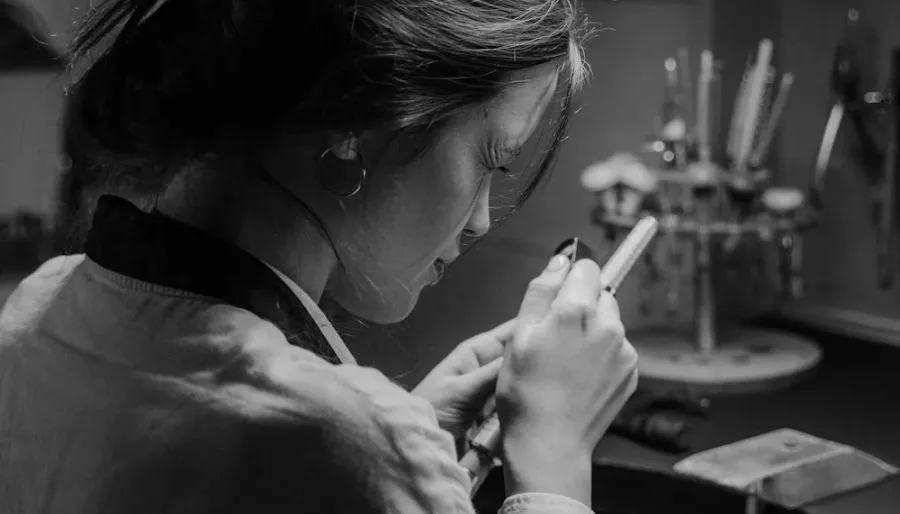
Establishing a clear design and prototyping process is essential when transitioning from handmade jewelry to OEM manufacturing. This step ensures that your unique vision translates effectively into high-quality products.
Developing a Solid Design Concept
Creating a robust design concept begins with a well-defined idea. Sketch your initial designs, focusing on elements such as materials, sizes, and colors. Consider the current market trends to ensure your designs resonate with potential customers. Gather feedback from friends, mentors, or fellow designers to gain insights that can enhance your concept. Leveraging their input allows you to refine your sketches and iterate effectively before proceeding. Documenting all design choices aids in clarifying the final vision, setting a strong foundation for your OEM jewelry for small brands.
Engaging with Designers and Prototypers
Engagement with professional designers and prototypers facilitates a smooth transition to OEM manufacturing. Provide your refined designs to manufacturers who specialize in jewelry production. Discuss your specific needs, such as production volumes and material choices, to ensure alignment. Request Computer-Aided Design (CAD) renderings to visualize the jewelry piece digitally, making adjustments as needed. Prototyping brings your design to life, allowing for practical evaluations and modifications. Once you’re satisfied with the prototype, you can confidently move forward with mass production, ensuring that your handcrafted vision remains intact while benefiting from the efficiency of OEM processes.
Selecting an OEM Manufacturer
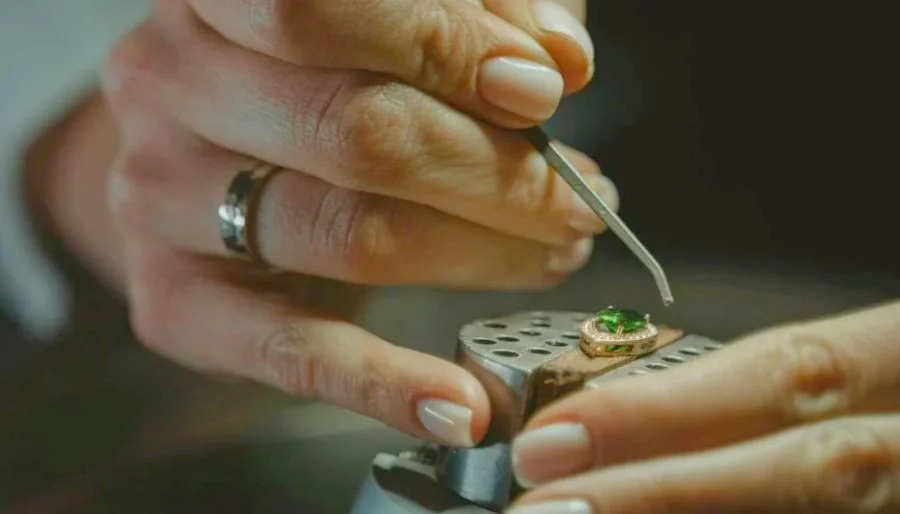
Selecting the right OEM manufacturer is crucial for successfully transitioning from handmade jewelry to OEM production. This choice impacts your product quality, production efficiency, and overall brand reputation.
Factors to Consider When Choosing a Manufacturer
- Experience: Seek manufacturers with experience in OEM jewelry for small brands. A proven track record indicates reliability and expertise.
- Capabilities: Verify that the manufacturer offers the specific services you require, such as metalworking, finishing, and custom design options.
- Quality Control: Investigate their quality assurance process. Manufacturers should have stringent measures to ensure consistent quality across your jewelry pieces.
- Communication: Select a manufacturer who is responsive and transparent. Effective communication is essential for addressing issues and aligning on design details.
- Scalability: Consider the manufacturer’s ability to scale production as your orders grow. This capability is important for meeting increasing demand without sacrificing quality.
- What are your lead times for production? Understand their timelines to align with your launch schedule.
- Can you provide samples? Requesting samples helps evaluate quality and craftsmanship before committing.
- What is your minimum order quantity? Determine if their minimum quantities match your production needs and budget.
- How do you handle quality issues? Their process for managing defects and complaints reveals their commitment to quality.
- What materials do you work with? Ensure they can source the materials you require, especially if you use specific, sustainable options.
The Transition Process
Transitioning from handmade jewelry to OEM involves a structured approach that combines planning and execution. This shift can significantly enhance your production capabilities and maintain your unique brand vision.
Steps to Integrate OEM Production into Your Business
- Assess Current Operations: Analyze your existing production capacity, inventory levels, and sales data to identify strengths and weaknesses.
- Conduct a SWOT Analysis: Identify opportunities and threats related to your business environment, focusing on areas to improve.
- Define Production Needs: Establish the volume, materials, and techniques required for your jewelry pieces.
- Create Design Concepts: Develop sketches and detailed ideas that capture your unique style and align with current market trends.
- Select an OEM Manufacturer: Choose a partner based on their experience, capabilities, and quality control processes.
Following these steps lays a robust foundation for integrating OEM jewelry for small brands, ensuring that you maintain your brand identity while scaling production.
- Implement Quality Control Measures: Maintain a stringent quality control system throughout the production process to minimize defects.
- Conduct Regular Inspections: Schedule frequent checks at various production stages to catch any inconsistencies early.
- Utilize Advanced Tools: Incorporate digital microscopes and X-ray fluorescence (XRF) analyzers to verify material quality and finished products.
- Foster Communication with Manufacturers: Maintain open lines of communication with your OEM partners to address any production issues promptly.
- Establish Feedback Loops: Implement a system for gathering feedback on product quality to inform future production improvements.
Adopting these strategies ensures consistent product quality, thereby enhancing your brand’s reputation while transitioning from handmade jewelry to OEM production.
Marketing Your OEM Jewelry
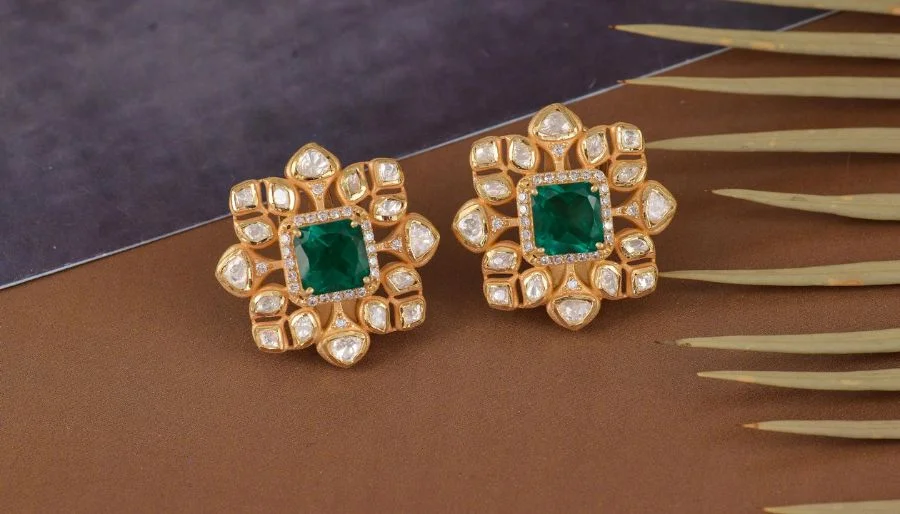
Transitioning from handmade jewelry to OEM manufacturing opens new opportunities for branding and marketing. Focus on creating a strong identity that reflects your unique vision while appealing to a broader audience.
Strategies for Branding and Marketing
Utilize several key strategies for effective branding and marketing of your OEM jewelry.
- Establish a Unique Brand Identity: Define your brand values and mission. Use consistent logos, colors, and messaging across all platforms.
- Leverage Social Media: Utilize platforms like Instagram and Pinterest to showcase your new designs. Share behind-the-scenes content that highlights the OEM process and quality.
- Content Marketing: Create valuable content that educates your audience about the benefits of OEM jewelry for small brands. Share your journey from handmade to OEM to build trust.
- Collaborate with Influencers: Partner with jewelry influencers who resonate with your brand. Their endorsement can help reach new customers.
- Optimize for SEO: Use keywords like “OEM jewelry for small brands” in your website content. This increases visibility in search engines.
These strategies help position your brand effectively in a competitive market.
Engaging Your Existing Customer Base
Engaging your existing customer base during the transition to OEM manufacturing is crucial.
- Communicate Transparently: Inform your customers about the shift from handmade to OEM processes. Explain how this transition improves quality and consistency.
- Involve Customers in the Process: Invite feedback on new designs and prototypes. This creates a sense of ownership and loyalty.
- Offer Exclusive Previews: Share sneak peeks of your new products with loyal customers before the official launch. Consider hosting a virtual launch event.
- Loyalty Programs: Introduce reward programs to encourage repeat purchases. Offer incentives for referrals or bulk purchases of your OEM jewelry.
- Tailored Marketing Campaigns: Use email marketing to target existing customers with personalized messages that highlight new collections and promotions.
Engaging your customer base fosters loyalty and encourages them to embrace your OEM jewelry.
Conclusion
Transitioning from handcrafted jewelry to OEM manufacturing can be a game-changer for your business. By embracing this shift, you can significantly boost your production capacity and ensure consistent quality while staying true to your creative vision.
With careful planning and the right partnerships, you’ll not only streamline your operations but also enhance your brand’s reputation in the market. Remember to engage with your customers during this process to maintain loyalty and excitement around your brand.
By following these strategies, you’re setting your jewelry business up for sustainable growth and success in a competitive landscape. Embrace the journey and watch your brand flourish.
Read more