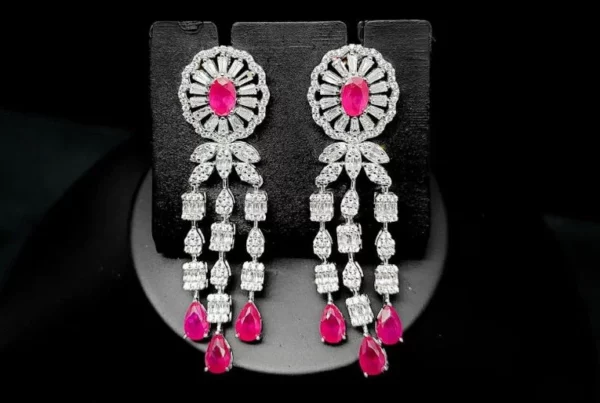
In the vibrant world of jewelry, the allure of exquisite designs often overshadows the intricate processes behind them. As a designer or brand, you know that partnering with OEM manufacturers can elevate your creations, but the key to a successful collaboration lies in transparency. Clear communication about materials, production timelines, and ethical practices not only builds trust but also empowers you to make informed decisions that resonate with your values and your customers.
With growing consumer demand for ethical and sustainable products, transparency in OEM jewelry manufacturing is no longer optional; it’s essential. By fostering an open dialogue with your manufacturing partners, you can ensure that the brilliance of your designs reflects a commitment to responsible practices. This approach not only enhances your brand’s reputation but also contributes to a more sustainable and equitable jewelry industry.
Understanding Transparency in OEM Jewelry Manufacturing
OEM jewelry manufacturers transparency involves clear disclosure of materials, processes, and ethical practices that contribute to the final product. This transparency fosters trust between designers or brands and their manufacturing partners, leading to better collaboration and shared values.
Effective transparency requires open communication regarding sourcing jewelry materials. Consumers demand to know where their jewelry components come from, whether it’s ethically mined metals or responsibly sourced gemstones. By sharing information about these sources, you enhance brand reputation and align with consumer expectations for sustainable products.
Timelines for production must also be transparent. Keeping clients informed about the progress of their orders helps to manage expectations and ensures that deadlines are respected. In a market increasingly focused on ethical practices, proactive updates on production stages signal commitment to quality and reliability.
Furthermore, transparency in practices extends to labor standards and environmental impact. Sharing information about how workers are treated and the ecological footprint of manufacturing processes promotes accountability. This level of openness not only supports consumer confidence but also encourages more responsible practices across the jewelry industry.
Ultimately, embracing transparency in OEM jewelry manufacturing creates an informed and engaged consumer base. This shift towards openness aligns with the growing demand for ethical and sustainable practices, driving the industry toward a more responsible future.
Key Benefits of Transparency
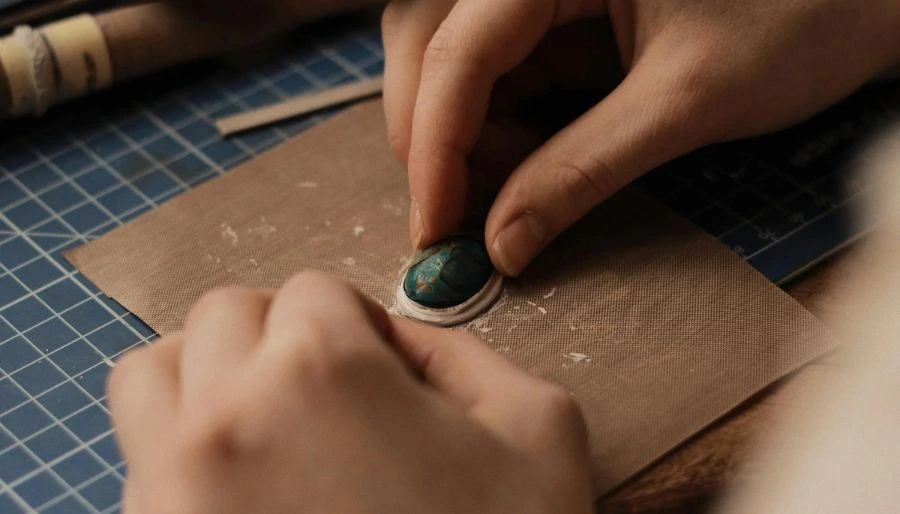
Transparency in jewelry manufacturing fosters trust and accountability between brands and consumers. Understanding the benefits of transparency enhances relationships, supports ethical practices, and contributes to sustainability in the industry.
Enhancing Consumer Trust
Consumer trust significantly improves with OEM manufacturer transparency. When brands openly communicate material sourcing and production methods, it reassures consumers about their purchases. Clear information about ethically mined metals and responsibly sourced gemstones builds confidence, encouraging repeat business. Transparency allows consumers to make informed choices aligned with their values, ultimately strengthening brand loyalty.
Ensuring Ethical Practices
Adopting transparency in jewelry manufacturing ensures adherence to ethical practices throughout the supply chain. When OEM manufacturers disclose labor standards and working conditions, it promotes fairness and safety for workers. Knowledge of ethical practices reassures consumers about the integrity of the products they purchase. This commitment to ethics serves as a foundation for responsible business operations and helps prevent exploitative practices in the jewelry industry.
Supporting Sustainability Efforts
Transparency bolsters sustainability efforts within the jewelry sector. By openly sharing information about environmental impact, brands demonstrate accountability and commitment to responsible practices. OEM manufacturer transparency enables consumers to understand their role in the supply chain and make choices that support sustainable initiatives. This shared responsibility inspires collaborative efforts to reduce waste and promote eco-friendly alternatives, leading to a more sustainable future for the jewelry industry.
Challenges to Achieving Transparency
Transparency in jewelry manufacturing presents several challenges that can hinder the collaboration between designers and OEM manufacturers.
Supply Chain Complexity
Supply chains in the jewelry industry often resemble a complex web, making it difficult to achieve OEM manufacturer transparency. A single piece of jewelry can involve multiple suppliers, from raw materials like metals and gemstones to production and distribution partners. Each tier introduces additional layers of complexity, as manufacturers multiply, complicating data collection and communication regarding material sourcing and ethical practices. Ensuring that every party in this intricate network provides accurate and timely information is vital for achieving full transparency.
Lack of Industry Standards
The absence of unified industry standards further complicates transparency in jewelry manufacturing. Different manufacturers may adopt varying practices for sourcing materials, ensuring ethical labor, and reducing environmental impact. Without established guidelines, brands can struggle to meet consumer expectations for ethical sourcing and sustainability. This inconsistency can lead to varying degrees of transparency, ultimately affecting consumer trust and brand reputation. Establishing clear industry standards would promote a more cohesive approach, enhancing OEM manufacturer transparency and fostering trust in the jewelry market.
Strategies for Promoting Transparency

Promoting transparency in jewelry manufacturing relies on effective practices and active engagement with stakeholders. Utilize the following approaches to enhance OEM manufacturer transparency and build trust.
Implementing Certification Processes
Implement certification processes that validate ethical sourcing and production standards. Certifications from recognized organizations can serve as evidence of adherence to responsible practices, assuring consumers of your commitment to transparency. By obtaining certifications related to material sourcing and labor standards, you reinforce confidence in your products. Regular audits by third parties ensure ongoing compliance, helping consumers make informed purchasing decisions about the jewelry they choose.
Engaging Consumers in the Journey
Engage consumers directly in the transparency journey by sharing detailed information about your manufacturing process. Use storytelling to illustrate the sourcing of materials, from ethically mined metals to responsibly sourced gemstones. Consider implementing interactive features on your website, such as traceability tools, allowing customers to explore the origins of their jewelry. Encourage feedback and questions from consumers, fostering a sense of community that values transparency. By inviting consumers into the process, you enhance their understanding and appreciation of the products they buy, turning them into advocates for your brand.
Case Studies of Transparent Practices
Several examples demonstrate how transparency in jewelry manufacturing benefits both brands and consumers.
1. Tech Company Approach
A tech company openly discusses its data privacy policies, showcasing the importance of transparency. By providing detailed information about their operational practices and product sourcing, they establish trust with stakeholders.
2. Financial Industry Standards
In the financial sector, companies disclose their financial statements publicly. This requirement allows investors to access accurate information, reducing the likelihood of fraudulent activities and promoting fair competition.
3. Pharmaceutical Company Practices
A pharmaceutical company demonstrates OEM manufacturer transparency by disclosing clinical trial results. Sharing both positive and negative outcomes not only ensures regulatory compliance but also reinforces commitment to patient safety.
4. Sustainable Practices in Jewelry
Several jewelry brands publish their sustainability reports, detailing their sourcing of ethically mined metals and responsibly sourced gemstones. Such transparency reassures consumers about material origins, promoting ethical behavior within the supply chain.
5. Interactive Consumer Tools
Brands implementing traceability tools on their websites enhance transparency in jewelry manufacturing. By doing so, they allow consumers to track the journey of their jewelry components. This practice fosters informed decisions and cultivates brand loyalty.
These case studies highlight the positive impact of transparent practices in the jewelry industry. They showcase how shared information not only builds trust but also encourages responsible behavior among all stakeholders involved.
Conclusion
Embracing transparency in OEM jewelry manufacturing is more than a trend; it’s a necessity for building trust and fostering accountability. As consumers increasingly seek ethical and sustainable options, your commitment to clear communication about materials and practices can set your brand apart.
By prioritizing transparency, you not only enhance your brand’s reputation but also contribute to a more responsible industry. Engaging consumers in your journey through storytelling and traceability tools can turn them into advocates for your brand.
Ultimately, transparency leads to informed decisions and a stronger connection between you and your customers, paving the way for a brighter future in jewelry manufacturing.
Read more