Creating unique jewelry is an art that requires precision and creativity. Before diving into full-scale production, understanding jewelry prototyping is essential. This process allows you to bring your design ideas to life in a tangible form, giving you the opportunity to evaluate aesthetics, functionality, and overall appeal. By experimenting with shapes, sizes, and materials, you can refine your vision without the risk of costly mistakes.
Prototyping serves as a crucial checkpoint in the design journey, enabling you to test your concepts in real-world scenarios. It’s not just about making a model; it’s about ensuring that the final piece reflects your artistic intent and meets the expectations of your clients. Embracing this step in your design process can save time, reduce waste, and ultimately lead to the creation of exquisite jewelry that you can be proud of.
Understanding Jewelry Prototyping
The jewelry prototyping process serves as a critical step for designers in turning abstract ideas into physical forms. This part of the design journey allows you to evaluate how your creations will look and function before final production.
The Importance of Prototyping in Jewelry Design
The importance of jewelry prototypes cannot be overstated. By creating a physical model, you can examine and refine your designs in a tangible way. Prototyping enables you to assess the scale, fit, and overall aesthetic of the piece. This preliminary model acts as a safeguard against potential design flaws, ensuring your final product not only meets your expectations but also satisfies client demands.
Benefits of Prototyping for Designers
Prototyping offers several key benefits for designers. You gain the freedom to experiment with various materials and embellishments without incurring the costs associated with a full production run. Making adjustments during this stage saves both time and money, as you can identify and rectify issues early in the process. Additionally, prototypes enhance collaboration with clients, allowing for feedback that can refine the design further. By incorporating their input, you increase client satisfaction and trust, which is essential for long-term success.
Techniques in Jewelry Prototyping
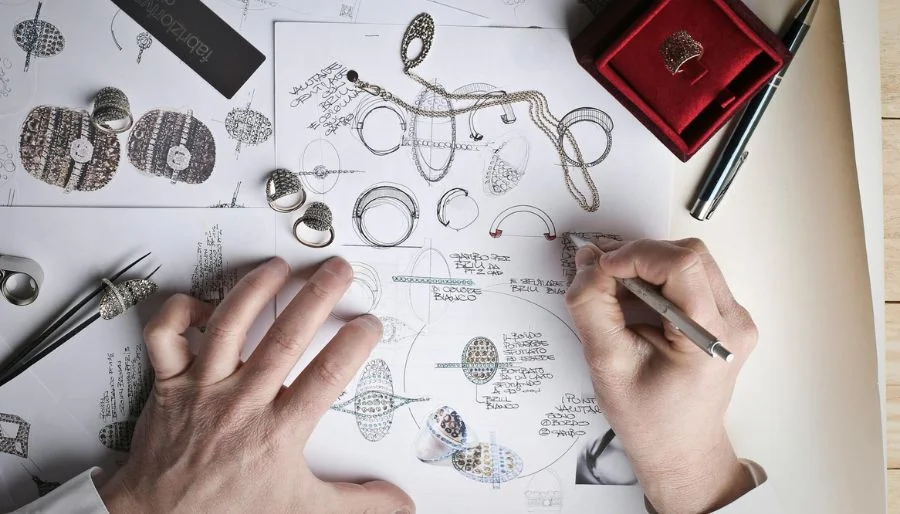
Understanding the techniques in jewelry prototyping enhances your ability to create flawless designs. Two prominent methods stand out: CAD software and handcrafting.
CAD Software in Prototyping
CAD (Computer-Aided Design) software plays a significant role in the jewelry prototyping process. It enables you to create intricate digital models with precision. You can easily adjust dimensions, shapes, and materials, allowing for an extensive exploration of design possibilities. With CAD, detailed renderings highlight proportions and help anticipate production challenges. The software streamlines the transition from concept to tangible prototype, saving you time and reducing the risk of costly errors. This importance of jewelry prototypes created via CAD ensures that final pieces align with your artistic vision while meeting client expectations effectively.
Handcrafting vs. Digital Prototyping
While digital prototyping through CAD offers efficiency, handcrafting remains invaluable. Handcrafted prototypes involve tangible materials that provide immediate tactile feedback. Sketching, carving, and assembling prototypes allow for real-time adjustments, enhancing the design’s functionality and wearability. Engaging in handcrafting can reveal design flaws often overlooked in digital models. Although technology advances the prototyping process, handcrafting helps create a personal connection to the piece. Embracing both methods maximizes the potential of your designs, ensuring that the final product not only meets aesthetic standards but also resonates with clients.
Evaluating Prototypes
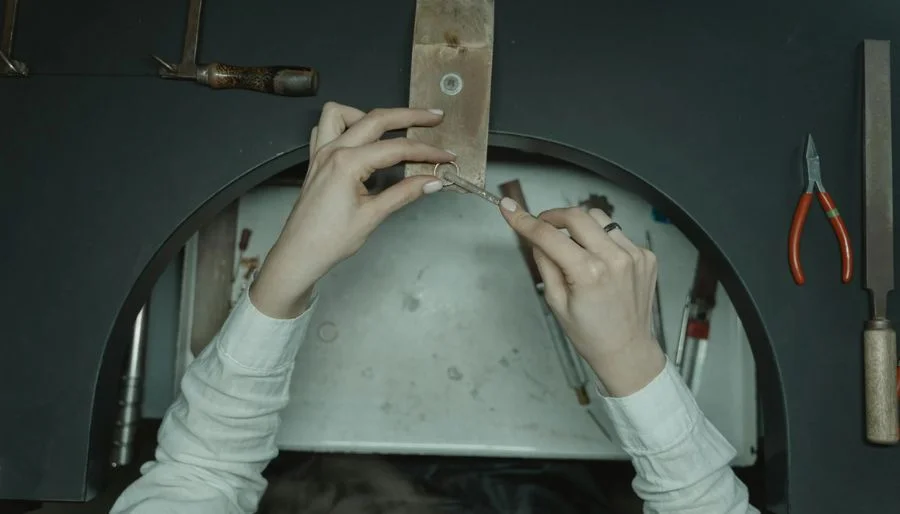
Evaluating prototypes plays a crucial role in the jewelry prototyping process. It enables you to fine-tune your designs and ensure they meet expectations.
Refining Your Design Through Feedback
Feedback is integral to refining your design. Engaging with clients during the prototyping stage allows you to gather insights about aesthetics, comfort, and overall functionality. You can make adjustments based on this feedback, enhancing the piece to align with your vision and client preferences. This collaborative approach highlights the importance of jewelry prototypes in bridging the gap between concept and creation. By incorporating input from others, you increase the likelihood of producing a piece that resonates with both you and your clients.
Common Challenges in Prototyping
Prototyping poses several challenges that you may encounter. You might face issues related to material limitations, scale discrepancies, or design complexities that didn’t translate well from digital models to physical prototypes. These challenges can limit the effectiveness of the jewelry prototyping process if not addressed promptly. Identifying and overcoming these obstacles ensures your designs maintain integrity and quality. Prototyping enables you to pinpoint these issues early, preventing costly errors in the final production stage.
Conclusion
Understanding jewelry prototyping is vital for any designer looking to bring their creative visions to life. It’s not just about creating a model; it’s about refining your ideas and ensuring they align with your artistic goals and your clients’ expectations. By embracing both CAD and handcrafting techniques, you can explore a range of possibilities while minimizing risks.
Engaging with clients during this stage fosters collaboration and trust, leading to designs that truly resonate. Prototyping helps you identify potential flaws early on, saving time and resources in the long run. Ultimately, investing in this essential process sets the foundation for creating stunning, successful jewelry pieces that stand out in the market.
Read more