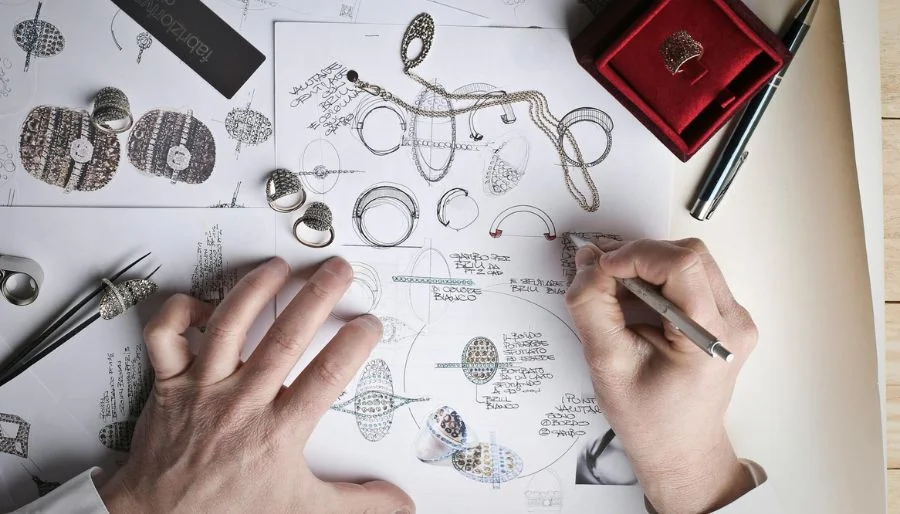
In the fast-paced world of jewelry design, innovation is key. Traditional prototyping methods can be time-consuming and costly, often requiring multiple iterations before reaching the final product. This is where 3D printing steps in, revolutionizing the way designers bring their visions to life. With the ability to create detailed prototypes in mere minutes, you can streamline the design process and focus on creativity rather than logistics.
Imagine sitting with a client, making real-time adjustments to a design and instantly generating a 3D model for approval. This level of collaboration not only enhances customer satisfaction but also reduces material waste and production time. By embracing 3D printing, you unlock endless possibilities for customization and intricate detailing, allowing your unique designs to shine in a competitive market.
The Role of 3D Printing in Jewelry Prototyping
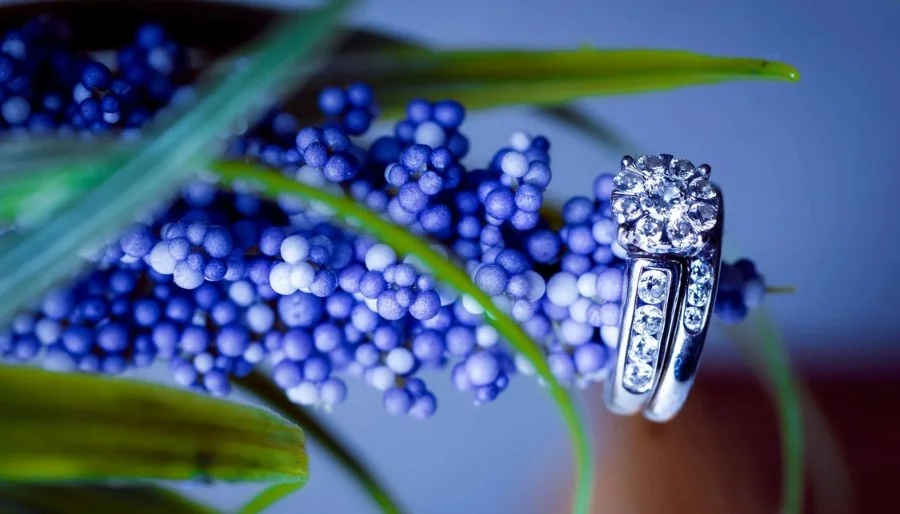
3D printing for jewelry revolutionizes the prototyping process. Designers can quickly generate detailed prototypes that accurately reflect their digital creations. This efficiency reduces the time it takes to create a prototype from days to minutes, enabling faster iterations and customer feedback.
The ability to create prototypes in real time during client meetings enhances collaboration and satisfaction. You can showcase intricate designs and make adjustments on the spot, ensuring the final product meets your client’s expectations. Utilizing high-contrast materials allows for detailed visualization, including essential features like stone settings.
Additionally, 3D printing minimizes material waste. Traditional methods often involve excess materials in the prototyping phase. With jewelry prototyping services, you utilize only what’s needed to construct the model, leading to a more sustainable approach.
3D printing also supports complex designs. You can explore unique geometries and fine filigree details that traditional methods cannot achieve. This design freedom sets your creations apart in the competitive jewelry market, allowing you to impress customers with originality and craftsmanship.
3D printing for jewelry significantly streamlines the prototyping process, increasing design freedom, reducing costs, and enhancing client collaboration.
Advantages of 3D Printing for Jewelry Designers
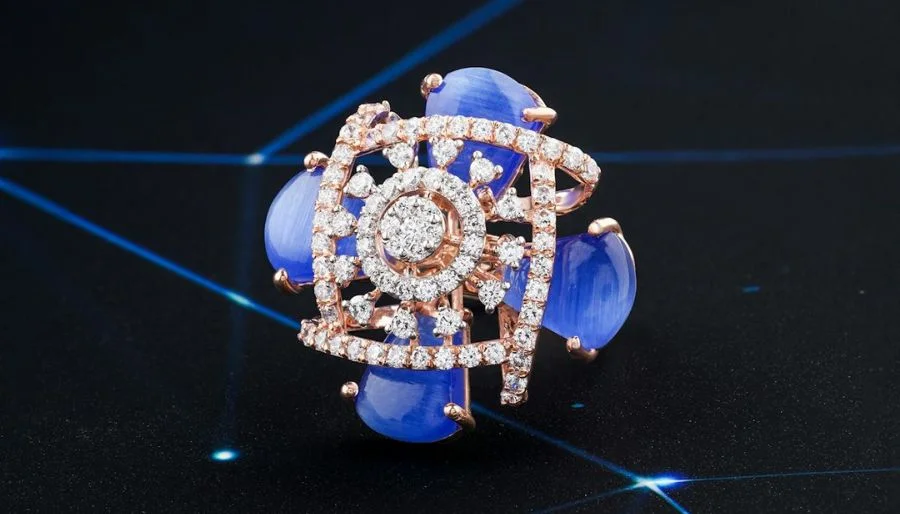
3D printing for jewelry offers significant advantages that enhance the design and prototyping process. The technology’s efficiency, customization capabilities, and cost-effectiveness make it a preferred choice among jewelry designers.
Design Freedom and Customization
3D printing provides unparalleled design freedom. You can create intricate patterns, organic shapes, and fine filigree details that traditional methods struggle to produce. This technology supports complex geometries and unique textures, allowing you to unleash your creativity. Customization becomes straightforward as you can easily modify designs to incorporate personal engravings or adapt to specific customer preferences. These unique and personalized designs help foster a deeper emotional connection between customers and their jewelry.
Speed of Prototyping
3D printing accelerates the prototyping process significantly. What used to take days or weeks now takes hours, or even minutes, depending on the complexity of the design. With rapid prototyping, you can analyze physical models sooner, facilitating real-time adjustments during client consultations. This immediacy not only enhances collaboration but also ensures that the final product aligns with client expectations, increasing overall satisfaction with the jewelry prototyping services.
Cost-Effectiveness
3D printing lowers the costs associated with jewelry prototyping. Reduced production time diminishes labor costs, and the technology minimizes material waste by utilizing only what’s needed for the model. This efficiency allows you to allocate resources more effectively, making high-quality prototypes accessible regardless of the project’s scale. You can confidently explore multiple design iterations without incurring significant expenses, streamlining your workflow in the competitive jewelry market.
Techniques and Technologies Used
3D printing significantly enhances the jewelry prototyping process, allowing you to create detailed designs swiftly and efficiently. Various techniques and technologies drive this innovation in jewelry manufacturing.
Common 3D Printing Methods in Jewelry
You can choose from several common 3D printing methods for jewelry production. Selective Laser Melting (SLM) allows for the printing of components directly using metal powders such as gold, silver, and platinum. This method achieves intricate designs while maintaining the strength and durability expected in fine jewelry. Direct Metal Laser Sintering (DMLS) also employs metal powders, focusing on precision and efficiency. Both methods support rapid prototyping, enabling you to iterate designs quickly. Additionally, investment casting utilizes a robust pattern-making process where a mold is formed, facilitating the production of complex jewelry pieces with high levels of detail. Each of these techniques provides unique advantages, streamlining workflows in jewelry prototyping services.
Materials and Finishes
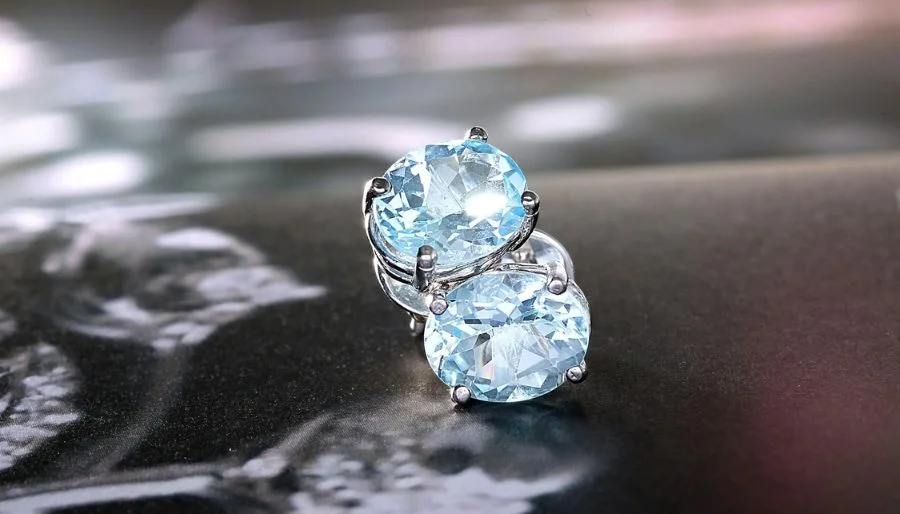
You’ll find various materials suitable for 3D printing jewelry, each with distinct properties. Metal powders like gold, silver, and platinum ensure high-quality, finished products with luxurious appeal. Other materials include Polyamide, a durable nylon plastic ideal for prototypes that require flexibility, and Alumide, which combines polyamide with aluminum powder for added strength. For diverse finishes, you can select antique or high-gloss options to enhance visual appeal. The choice of materials and finishes directly impacts the final product, providing opportunities for customization and giving each piece its unique character.
Overcoming Challenges in 3D Jewelry Prototyping
3D printing for jewelry does present challenges, but addressing these obstacles ensures success in the prototyping process. Two key areas that require focus are technical limitations and quality control.
Technical Limitations
3D printing technologies vary, and each comes with specific technical limitations. Some printers may not handle intricate details, making it difficult to achieve complex designs. You must select appropriate jewelry prototyping services that utilize advanced machinery capable of producing high-fidelity models. Incompatibility with certain materials may also hinder production. Understanding your printer’s capabilities helps in selecting the right materials and achieving desired aesthetics. Additionally, printer resolution can influence the accuracy and smoothness of the final product. Regular maintenance and updates on technology ensure optimal performance and reduce technical barriers during the prototyping phase.
Quality Control
Quality control forms a critical part of the 3D jewelry prototyping process. Ensuring that prototypes meet client expectations and design specifications requires stringent quality checks. Inspecting prototypes for defects like material inconsistencies or design flaws is essential in maintaining high standards. Implementing a rigorous review process at each stage—design, printing, and finishing—allows for immediate identification and rectification of issues. Collaborating with experienced jewelry prototyping services can enhance quality assurance, as they typically have established protocols and expertise in fine-detail evaluation. This proactive approach minimizes errors and boosts customer satisfaction by delivering prototypes that align closely with the final vision.
Future of 3D Printing in Jewelry Design
The future of 3D printing for jewelry design promises innovative solutions that enhance creativity and efficiency. As technology progresses, designers have new opportunities to push the limits of their craft.
Trends and Innovations
Emerging trends in jewelry prototyping services focus on integrating AI-driven designs and augmented reality (AR) features. Designers can harness AI to create personalized jewelry pieces that cater to individual preferences. AR technology allows customers to visualize designs virtually before production, enhancing engagement. In addition, advancements in materials, including new metal powders and flexible polymers, expand the range of textures and finishes available, making designs more versatile. Enhanced technology in printers, such as increased precision and speed, enables rapid prototyping, allowing designers to iterate ideas swiftly and cost-effectively.
Impact on Traditional Jewelry Making
The impact of 3D printing on traditional jewelry making is significant, reshaping established practices. While handcrafting and lost-wax casting involve extensive time and skill, 3D printing introduces efficiency and automation to the workflow. Designers can now translate intricate concepts into tangible prototypes with minimal labor costs and material waste. Traditional artisans increasingly adopt digital techniques, creating a harmonious blend that maintains craftsmanship while leveraging technological advancements. This evolution encourages a shift towards more sustainable practices, as designers can produce lower quantities of materials and reduce overall waste, ultimately benefiting the environment while meeting modern consumer demands.
Final Thoughts on 3D Printing in Jewelry Design
Designers like you can explore a multitude of possibilities by embracing 3D printing in jewelry prototyping. This technology not only enhances creativity but also streamlines your workflow, allowing for rapid iterations and real-time adjustments. You’ll find that the ability to customize designs and minimize waste aligns perfectly with modern consumer demands for uniqueness and sustainability.
As you navigate this evolving landscape, staying informed about emerging technologies and materials will be crucial. The future of jewelry design is bright with 3D printing, offering you the tools to push boundaries and create stunning pieces that resonate with clients. By leveraging these advancements, you’re not just keeping up with trends; you’re setting them.
Read more