As the world becomes increasingly aware of environmental issues, the jewelry industry is undergoing a remarkable transformation. Recycled metals are emerging as a key player in this shift towards sustainability, offering an ethical alternative to traditional mining practices. With the sustainable jewelry market projected to reach USD 172 billion by 2030, it’s clear that consumers are demanding more responsible choices.
Technological advancements in metal refining are making it easier than ever to produce high-quality jewelry from recycled materials. Techniques like hydrometallurgical recovery allow jewelers to extract precious metals with exceptional purity while minimizing waste. This not only reduces the ecological impact of mining but also supports the circular economy, ensuring that materials remain in use for as long as possible. As you explore the future of sustainable jewelry, you’ll discover how recycled metals are set to redefine luxury without compromising on quality or style.
The Importance of Recycled Metals in Sustainable Jewelry
Recycled metals play a crucial role in sustainable jewelry manufacturing. Their use not only addresses environmental concerns but also enhances ethical and economic dimensions of the jewelry industry.
Environmental Benefits
Recycling precious metals significantly reduces the need for mining by providing an alternative source of raw materials. This process conserves natural resources, decreases energy consumption, and curtails carbon emissions. By utilizing recycled metals, jewelers help minimize waste in landfills and limit ecological damage.
For instance, one kilogram of recycled gold can be used to create approximately 150 rings, showcasing the efficiency and sustainability of utilizing recycled resources. This not only conserves natural resources but also minimizes the environmental impact associated with mining activities.
Ethical Considerations
Sustainable jewelry manufacturing prioritizes ethical sourcing, including the use of recycled metals. This practice reduces exploitative mining conditions often associated with newly mined metals. Instead, using recycled materials ensures that jewelers can create beautiful pieces while supporting a more responsible supply chain. Ethical certification for recycled metals affirms a commitment to fair labor practices and community welfare, ensuring greater accountability within the industry.
Economic Impact
Using recycled precious metals in jewelry creation is driven more by ethical considerations than economic ones. Often, recycled metals can be more expensive than newly mined alternatives. This phenomenon arises from the costs associated with recycling processes and the growing demand for ethically sourced gemstones and precious metals. According to a report by the World Gold Council, consumers are increasingly prioritizing sustainability and ethical sourcing over price, leading to a shift in market dynamics. This ethical focus encourages jewelers to invest in sustainable practices, promoting a circular economy while addressing environmental concerns.
The Process of Metal Recycling
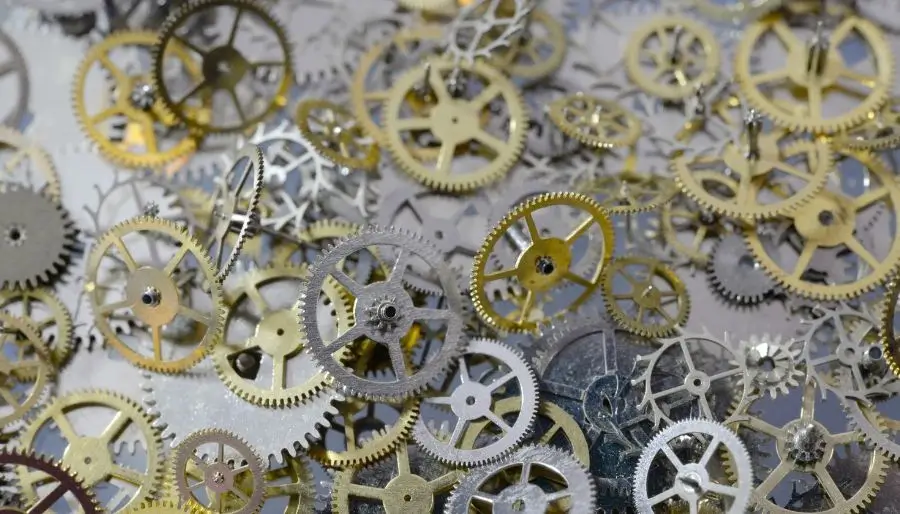
Recycling metals for jewelry is a complex process that ensures sustainability in jewelry manufacturing. The journey starts with the careful collection and sorting of scrap metals.
Collection and Sorting
Collection streams for recycled metals originate from various sources like old jewelry pieces, computer components, and automobiles. You gather these materials to prepare for recycling. Advanced sorting techniques utilize X-ray fluorescence (XRF) technology to accurately identify metal compositions. This technology enables precise separation of different precious metals, ensuring efficient processing streams. You can sort metals like gold, silver, and platinum with higher accuracy, which simplifies the subsequent processing stages.
Refining and Reproduction
Refining processes follow sorting, employing modern techniques that focus on the removal of impurities. During refining, dirt, oil, and unwanted particles are extracted, leading to high-quality recycled metals suitable for jewelry. This phase may involve multiple stages to achieve the desired purity level, comparable to newly mined materials. You benefit from sustainable jewelry manufacturing as these advanced refining methods not only enhance quality but also significantly lower environmental impact through energy-efficient practices. Ultimately, these refined metals undergo reproduction, transforming into beautiful jewelry pieces that align with ethical and environmental standards.
Benefits of Using Recycled Metals
Recycled metals offer numerous advantages, making them crucial for the future of sustainable jewelry manufacturing. These benefits not only address environmental concerns but also enhance the overall appeal of jewelry.
Reducing Resource Extraction
Using recycled metals for jewelry significantly decreases the need for virgin material extraction. Traditional mining processes require extensive amounts of natural resources, such as water and land, leading to habitat destruction and ecosystem disruption. The recycling process eliminates these impacts by preserving natural landscapes and wildlife habitats. With this shift, recycled metals become both an ethical and environmentally responsible alternative.
Lowering Carbon Footprint
Recycling metals has a notably lower carbon footprint compared to mining and production of new metals. For instance, recycling gold uses 88% less energy than mining new gold. Additionally, the recycling processes utilize fewer resources and generate less waste, further reducing greenhouse gas emissions. Employing recycled metals not only helps combat climate change but also promotes a more sustainable jewelry industry.
Growing Trends in the Market
The demand for recycled metals in jewelry is on the rise, reflecting changing consumer attitudes. Key trends include:
- Increased Adoption: Major jewelry brands are integrating recycled metals into their collections, promoting sustainability and ethical sourcing.
- Technological Advances: Innovations in recycling technologies enhance the quality and accessibility of recycled metals, meeting the rigorous standards of sustainable jewelry manufacturing.
- Transparency in Supply Chains: consumers increasingly seek transparent sourcing practices, driving brands to disclose metal origins and recycling methods.
- Consumer Awareness: With 85% of consumers unaware they can recycle old jewelry, educational initiatives focus on illuminating the value of repurposing unused metals.
These factors contribute to the promising future of recycled metals in the jewelry industry, making sustainability a central pillar of modern jewelry design.
Future Outlook for Recycled Metals in the Jewelry Industry
Recycled metals are set to play a pivotal role in sustainable jewelry manufacturing. As technology evolves and consumer awareness rises, the landscape of the jewelry industry is shifting dramatically.
Innovations and Advancements
Technological advancements significantly enhance recycled metals for jewelry. Innovations like hydrometallurgical recovery achieve up to 999 purity levels, ensuring high-quality outputs. Additionally, advanced sorting methods, such as X-ray fluorescence (XRF) technology, streamline the separation of precious metals from various sources. These processes minimize waste and lower energy consumption, reinforcing the industry’s commitment to sustainability. Research and development investments by major manufacturers further facilitate breakthroughs in refining and recycling, positioning recycled metals as a prominent element in modern jewelry creation.
Consumer Awareness and Demand
Consumer awareness drives the transition toward recycled metals for jewelry. Increased access to information enables you to research brand practices easily, fostering a demand for transparency and accountability. As consumers prioritize ethical sourcing, their preferences guide jewelers toward sustainable alternatives. This heightened awareness not only emphasizes the importance of recycled materials but also influences the market. The anticipated growth of the sustainable jewelry market, projected to reach USD 172 billion by 2030, illustrates that consumer demand for ethical and environmentally responsible choices shapes the future of jewelry manufacturing.
Final Thoughts
Recycled metals are paving the way for a more sustainable jewelry industry. As you embrace these eco-friendly options, you’re not just making a stylish choice but also contributing to a healthier planet. The shift towards recycled materials reflects a growing awareness of ethical sourcing and environmental responsibility.
By choosing jewelry made from recycled metals, you support innovations that reduce waste and energy consumption while promoting a circular economy. This movement is set to redefine luxury, making it accessible and responsible. The future of jewelry appears more promising than ever as consumers continue to demand transparency and sustainability. Your choices today can lead to a more sustainable tomorrow.
Read more