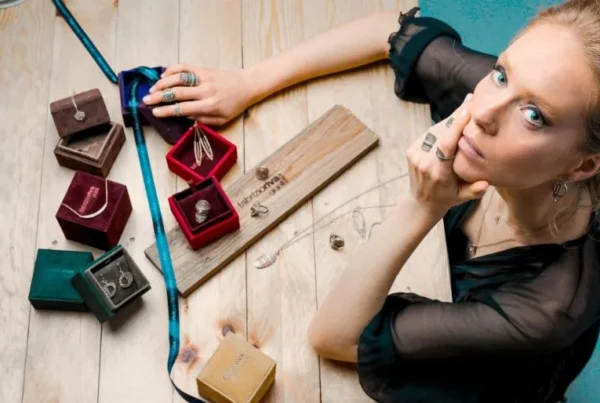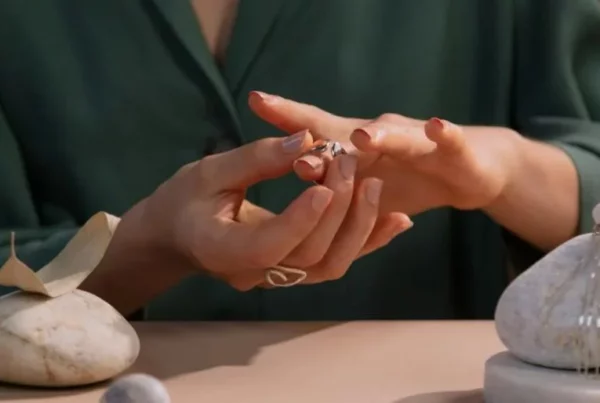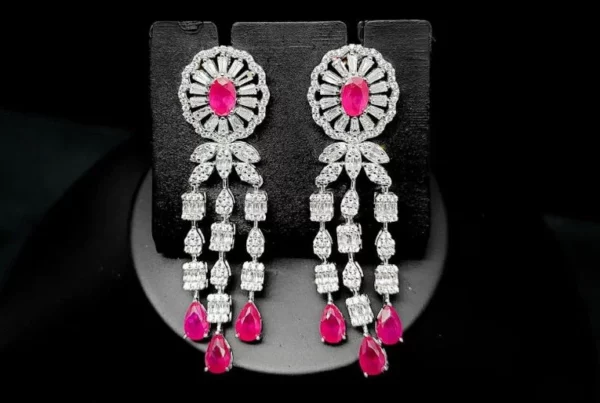
For independent jewelry designers, flexibility is everything. One of the biggest advantages of working without a minimum order quantity (MOQ) is the freedom it provides to create and sell on your terms. Without the pressure of meeting large production requirements, you can focus on crafting unique, high-quality pieces that truly reflect your artistic vision.
No MOQ also means you can cater to your clients’ specific needs without overcommitting resources. Whether it’s a single custom piece or a small batch of designs, you have the ability to scale production based on demand. This approach not only reduces waste but also helps you manage costs more effectively, making your business more sustainable and customer-focused.
By eliminating the constraints of MOQs, you can embrace creativity and build stronger relationships with your clients. It’s a game-changer for independent designers looking to stand out in a competitive market while staying true to their craft.
What Is Minimum Order Quantity (MOQ)?
Minimum Order Quantity (MOQ) refers to the smallest number of units or minimum dollar value a manufacturer or supplier requires you to purchase in a single transaction. For example, a jewelry supplier might establish an MOQ of 200 units, meaning you must order at least 200 pieces in one go. Alternatively, an MOQ may be based on a monetary threshold, such as $300, requiring your total order value to meet or exceed this amount.
MOQs serve manufacturers by ensuring production efficiency and profitability. Producing high volumes optimizes labor, reduces wasted resources like materials, and lowers production costs. For buyers, MOQs often translate into wholesale pricing or volume discounts, which can benefit larger businesses but present challenges for smaller-scale designers.
MOQ types include simple and complex MOQs. A simple MOQ consists of a single minimum quantity for one product, such as 100 rings, while a complex MOQ entails minimum quantities for multiple variations, like 50 rings in three different sizes. Understanding MOQs helps you assess supplier requirements and whether they align with your business goals.
Understanding No MOQ in the Jewelry Industry

No MOQ means there’s no minimum purchase requirement when ordering from a supplier. This term contrasts with traditional wholesale practices where suppliers set specific thresholds, like a minimum number of units or a dollar value, for each order. For independent jewelry designers, no MOQ offers unparalleled flexibility in managing production and inventory.
Without MOQs, you can order materials or components in quantities that perfectly match your immediate needs. This eliminates excess inventory and reduces upfront costs, crucial for small-scale operations. For example, if you’re designing custom engagement rings, no MOQ allows you to purchase just enough gemstones and metals for each project rather than overstocking on materials.
No MOQ setups also empower you to experiment with new designs or limited editions without the financial risks tied to bulk purchasing. You can test market demand by producing smaller batches, refining your offerings based on real-time feedback. This approach encourages innovation while maintaining a lean and efficient workflow.
Additionally, the absence of MOQs makes it easier to collaborate with different suppliers and explore diverse materials—enabling you to elevate your designs. By not being tied to large orders, you can source higher-quality materials or unique components that align with your artistic vision, enhancing the exclusivity of your pieces.
Key Benefits of No MOQ for Independent Jewelry Designers

Enhanced Creativity and Flexibility
When you work with OEM jewelry manufacturer that has a “no MOQ” policy, you can explore unique designs without committing to bulk production. You can experiment with new concepts, materials, and techniques, crafting standout pieces that reflect your artistic style. For example, you might create bespoke jewelry for special occasions or limited-edition collections tailored to current trends. This freedom ensures your pieces remain distinctive in a competitive market.
Improved Cost Management
By eliminating MOQs, you manage inventory and expenses more effectively. You only purchase materials as needed, avoiding the financial strain of upfront investment in large quantities. For instance, instead of ordering hundreds of gemstones at once, you select specific ones for individual projects. This approach minimizes waste and keeps your operational costs predictable.
Stronger Client Relationships
A no-MOQ policy allows you to cater to client preferences on a personal level. You provide custom options, ensuring each piece aligns with their tastes and budgets. For example, clients commissioning engagement rings or anniversary gifts value the attention to detail and customization that no MOQ supports. This personalized service builds trust and encourages repeat business.
Sustainable Production Practices
No MOQ fosters sustainability by reducing excess material use and waste. You avoid overstocking supplies that may never be utilized. Instead, you focus on sourcing high-quality materials in smaller quantities for specific orders. This approach aligns with eco-conscious values, which resonate with clients prioritizing ethical consumption.
Increased Market Agility
Having no MOQ means you adapt quickly to market trends and demands. You test new offerings in limited batches without the risk of overproduction. For example, you might introduce jewelry designs incorporating trending gemstones or unconventional materials, responding to client interest swiftly. This adaptability keeps your brand relevant and competitive.
Easier Supplier Collaboration
Working without MOQs promotes flexibility in sourcing decisions. You engage suppliers who prioritize smaller, high-caliber orders, giving you access to diverse material options. For instance, you might source rare gemstones or specialty metals that elevate the exclusivity of your designs. This broadens your creative possibilities and enhances your craft.
How Independent Jewelry Designers Can Leverage No MOQ

Independent jewelry designers can utilize a no-MOQ model to maximize creativity, simplify operations, and enhance customer satisfaction. Without minimum order constraints, you gain the freedom to experiment with innovative designs and cater to unique customer requests without committing to large material quantities.
- Create Custom Designs: Offer clients exclusive, one-of-a-kind pieces by sourcing materials in quantities that match individual projects. For instance, if a client requests a rare gemstone ring, you can acquire the exact gemstone needed without excess inventory.
- Test Market Trends: Explore new design concepts and limited-edition collections to gauge market demand. By producing smaller quantities, you minimize risk while refining your offerings based on real-time feedback.
- Maintain Cost Efficiency: Purchase materials on a per-project basis to control spending and avoid overstocking. Using a no-MOQ approach helps align expenses with current revenue streams, improving cash flow management.
- Collaborate with Multiple Suppliers: Build relationships with diverse suppliers to access high-quality materials. A no-MOQ policy enables you to source selectively, enhancing the overall quality and exclusivity of your creations.
- Support Sustainable Practices: Reduce material waste by ordering only what’s needed. This approach not only minimizes environmental impact but also aligns your brand with eco-conscious values that attract modern customers.
By incorporating these strategies, you can strengthen your brand identity and deliver highly personalized, sustainable, and distinctive jewelry designs.
Challenges and Considerations
Managing supplier relationships poses a key challenge when operating under a no-MOQ model. Some suppliers may prioritize bulk orders or offer better pricing for higher volumes, potentially limiting access to certain materials or increasing costs. Building strong relationships with flexible suppliers becomes essential in this scenario.
Higher per-unit costs may arise without bulk purchasing. While no-MOQ flexibility minimizes initial investments, per-unit pricing is often higher than bulk pricing, potentially reducing profit margins. Careful pricing strategies and cost analysis can help mitigate this drawback.
Inventory management can become complex if you’re purchasing in small quantities for multiple designs. Tracking material availability and ensuring consistent supply for active projects requires efficient organization and clear communication with suppliers to avoid delays.
Scaling production involves unique difficulties in a no-MOQ framework. As customer demand increases, transitioning from small-batch production to larger quantities can challenge existing workflows and supplier partnerships. Planning for scalability ensures smooth growth without sacrificing quality or design flexibility.
Customer expectations might shift as your business grows. While clients appreciate exclusivity and custom designs, fulfilling larger orders or replicating popular pieces without MOQ constraints may necessitate adjustments in processes, timelines, and prices. Balancing personalized service with operational efficiency helps maintain client satisfaction.
Read more