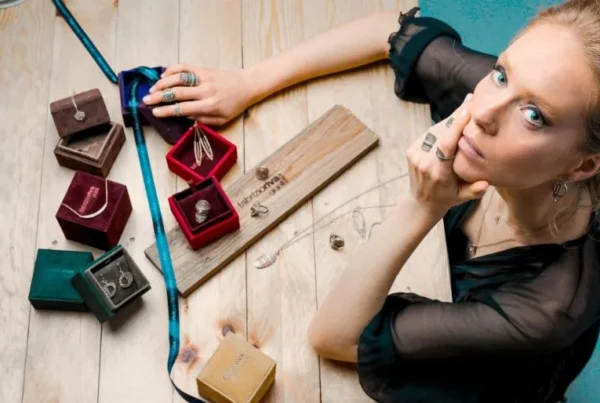
Choosing the right OEM manufacturer for your jewelry brand can make or break your business. With the jewelry industry demanding precision, quality, and creativity, finding a partner who aligns with your vision is crucial. The right manufacturer not only brings your designs to life but also ensures scalability and consistency, helping you stand out in a competitive market.
An experienced OEM partner offers more than just production—they provide expertise in materials, techniques, and cost-effective solutions. However, not all manufacturers are created equal. Factors like their track record, communication style, and ability to meet your specific needs play a significant role in the success of your collaboration.
By understanding what to look for in an OEM jewelry manufacturer, you can make informed decisions that align with your brand’s goals. This guide will help you navigate the process, ensuring your jewelry products meet the highest standards while resonating with your customers.
1. Understanding OEM Jewelry and ODM Jewelry
OEM and ODM are distinct approaches in jewelry manufacturing that cater to different brand needs. Knowing the difference ensures alignment with your brand’s vision and operational strategy.
OEM Jewelry Explained
OEM, or Original Equipment Manufacturing, involves outsourcing the production of custom-designed jewelry. As the brand owner, I provide detailed designs and specifications, from sketches to material requirements. The manufacturer produces the jewelry exclusively based on your directives, so you maintain control over the design process. This option produces unique, brand-specific pieces that reflect your creativity and quality standards.
ODM Jewelry Explained
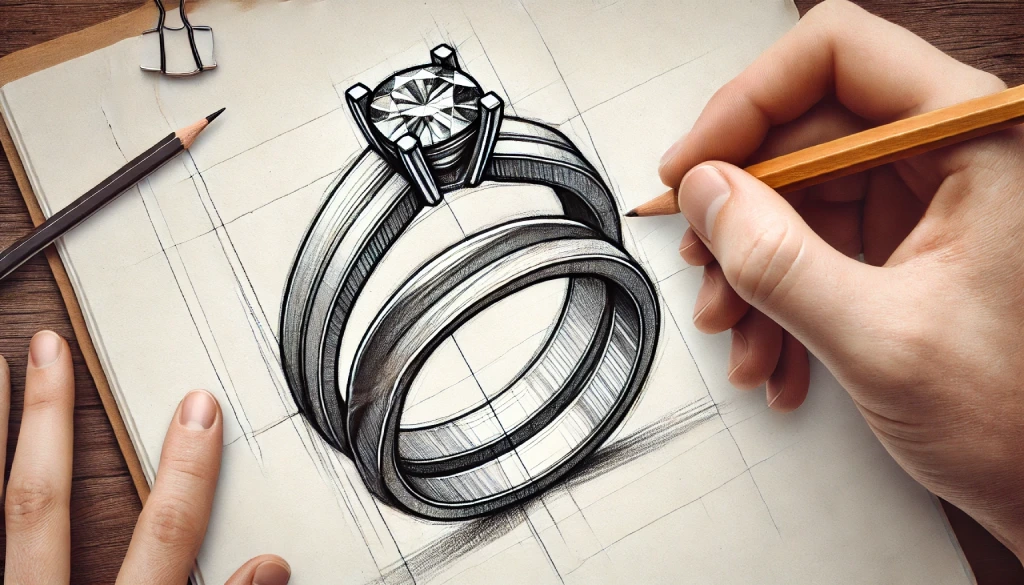
ODM, or Original Design Manufacturing, offers pre-existing designs with customization options to match brand identity. Instead of submitting detailed designs, you can choose from the manufacturer’s catalog and tailor selected pieces to your needs. This method suits brands without in-house design expertise or resources to create original designs. Using ODM facilitates quicker production timelines and often results in cost-effective solutions without the effort of developing designs from scratch.
2. OEM vs. ODM: Jewelry Processes
Understanding the distinctions between OEM and ODM processes in jewelry production enables better alignment with a brand’s goals. Each approach has unique steps influencing the final product and collaboration.
Design
OEM emphasizes customization, requiring detailed specifications from the brand. These could include design sketches, specific materials, and finishing methods to ensure brand-unique creations. ODM offers ready-made designs, tailored for quick customization. This suits brands seeking established styles with minor adjustments like color changes or logo additions.
Samples
The OEM process includes prototype development to ensure the jewelry meets design and quality expectations. An initial sample reflects meticulous collaboration between the brand and manufacturer. ODM typically offers pre-developed samples, reducing time but limiting possibilities for fully original designs.
Mass Production
OEM mass production starts after prototype approval, with the manufacturer strictly adhering to provided specifications. This results in exclusive, cohesive brand pieces. ODM mass production involves using existing designs, enabling shorter manufacturing timelines but offering less differentiation in product styles.
Packaging & Delivery
With OEM, packaging designs often come from the brand, ensuring consistency with its identity. Custom materials and branding details are integrated. ODM manufacturers may offer semi-customized packaging options, accommodating brands prioritizing convenience over originality. Delivery timelines for OEM may extend slightly due to additional customization efforts compared to ODM’s quicker processing capabilities.
3. Pros and Cons of OEM Jewelry and ODM Jewelry
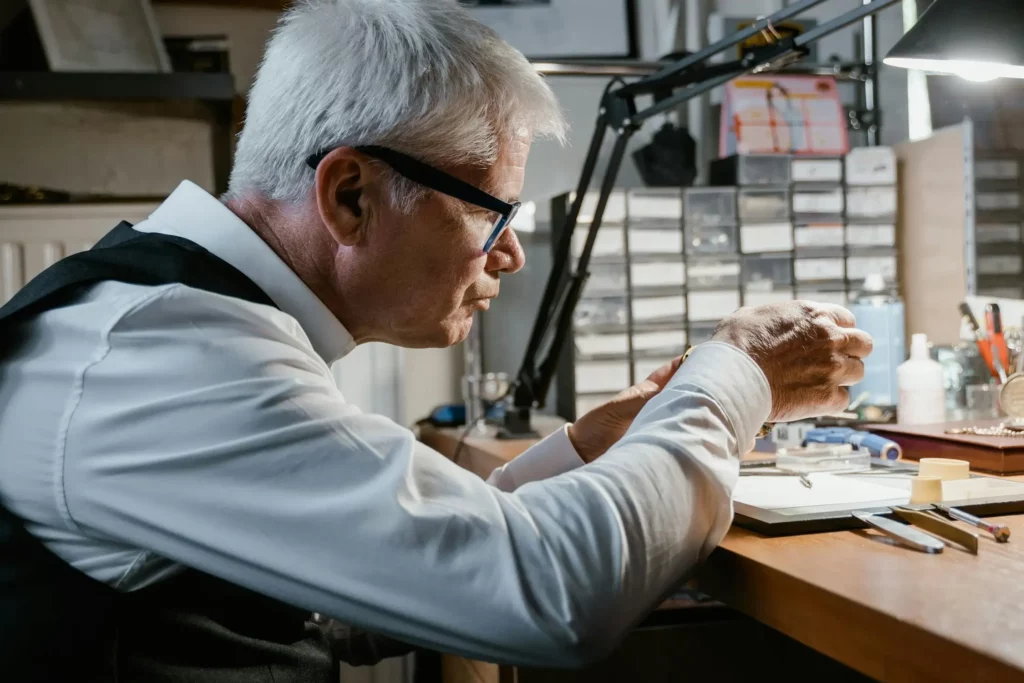
Choosing between OEM and ODM options requires understanding their distinct advantages and limitations. Each presents unique opportunities for jewelry brands based on design preferences, budget, and branding needs.
Pros of OEM Jewelry
- Customization: OEM manufacturing allows complete control over the design and specifications of each piece. This ensures the final product aligns precisely with the brand’s vision and customer preferences. For example, intricate diamond cuts or personalized settings can reflect specific demands.
- Brand Identity: Products manufactured through OEM reinforce brand identity by featuring distinctive designs that showcase the brand’s values and aesthetics.
- Quality Control: Direct involvement in the production process supports stringent quality checks at every stage, ensuring adherence to brand-specific standards.
Cons of OEM Jewelry
- Higher Costs: Customization and detailed production processes often lead to increased expenses. Costs for unique materials and additional tooling may add to the financial outlay.
- Longer Lead Times: Developing and finalizing new designs delays production, especially when prototypes necessitate multiple revisions.
Pros of ODM Jewelry
- Cost-Effective: ODM streamlines production using pre-existing designs and frameworks. This approach minimizes expenses associated with developing custom molds or tools.
- Time-Saving: Faster turnaround results from skipping the design development phase, making it ideal for brands requiring quick manufacturing timelines.
- Flexible Options: Access to various pre-designed styles enables selection of options that suit different market needs without requiring in-house design expertise.
Cons of ODM Jewelry
- Limited Customization: Design choices remain confined to the manufacturer’s existing catalog, restricting creative freedom for entirely unique products.
- Reduced Branding Control: Products are less distinctive, which may make it challenging for the brand to establish a strong, independent identity in a competitive market.
Understanding these pros and cons can guide jewelry brands in aligning their production process with brand goals, customer expectations, and operational requirements. Choices between OEM and ODM depend on priorities such as customization, cost, and production speed.
4. How to Choose Between Jewelry OEM and ODM
Choosing between OEM and ODM jewelry depends on several factors aligned with a brand’s goals and operational needs. Understanding these steps helps ensure the decision suits business objectives.
- Assess Design Requirements
Evaluate whether custom designs are essential for your brand. If unique, original pieces are critical to maintaining your brand identity, OEM is the better choice. For example, brands launching exclusive collections may prefer OEM’s ability to create intricate, custom designs. ODM works when minor design modifications to existing products suffice. - Define Budget Constraints
Determine the financial scope of your manufacturing process. OEM often involves higher costs due to the need for dedicated prototyping, design execution, and customization. ODM offers cost-effective solutions by utilizing pre-designed templates, making it ideal for brands with limited budgets. - Evaluate Time-to-Market Needs
Identify how quickly products must reach the market. For tight timelines, ODM provides faster production as it uses pre-existing designs, requiring minimal adjustments. OEM involves longer lead times due to prototype creation and design revisions, making it suited for brands that can afford extended production schedules. - Consider Creative Control
Decide how much control over the design process is required. OEM provides full creative authority, enabling detailed input at each stage. ODM limits input to existing designs, offering less flexibility but simplifying decision-making for brands without in-house design teams. - Analyze Target Market Expectations
Understand customer preferences in your target demographic. For premium markets demanding exclusivity, OEM delivers unique designs that resonate with brand-specific identities. ODM caters well to broader markets, focusing on cost and variety rather than exclusivity. - Review Manufacturer Capabilities
Assess the expertise and resources of potential manufacturers. For OEM, check their ability to execute detailed specifications with precision. For ODM, evaluate the range and quality of their existing catalog and their flexibility in customization options. - Forecast Scaling Potential
Plan for future growth and expansion. OEM is excellent for laying a foundation for consistent brand identity across large-scale production. ODM supports scalability by offering adaptable products without the need for intensive development processes.
By systematically evaluating these aspects, you can align your choice—OEM or ODM—with both short-term and long-term business needs.
Why Choose Our OEM Jewellery Manufacturing Services?
Opting for our OEM jewelry manufacturing services offers distinct advantages designed to strengthen your brand’s identity and product quality. Each aspect of our process is tailored to meet your specific needs while ensuring excellence in execution.
Meticulous Craftsmanship
Every piece is handcrafted by skilled artisans to meet exacting quality standards. From intricate detailing to durable finishes, we ensure each creation reflects superior workmanship. For example, complex gemstone settings and engraved designs receive precise attention for flawless results.
Precision in Customization
Our services provide end-to-end customization, ensuring your jewelry aligns seamlessly with your brand identity. Whether it’s a custom logo, unique design elements, or specific metal choices, we guarantee accurate implementation. Tailored designs, such as branded pendants or engraved bracelets, reinforce your brand essence.
Cutting-edge Infrastructure
We utilize modern German and Swiss machinery to elevate production quality. For instance, laser soldering and advanced casting techniques enhance durability and detailing. Specialized units for gemstone faceting enable the creation of over 200 customized varieties, ensuring diverse offerings.
Transparent Collaboration Process
Open and clear communication defines every stage of our cooperation. From design discussions to final approval, Orion Craftsmen prioritize your feedback to deliver outcomes aligned with your vision. Regular updates ensure the process remains smooth and expectations are consistently met.
Scalable Production Capacity
Our state-of-the-art facilities support both small and large-scale production runs. Whether launching new collections or meeting rising market demand, our capabilities ensure flexibility. Examples include small batch artisanal pieces or extensive bulk orders.
Strict Quality Controls
Orion Craftsmen dedicated quality assurance team conducts rigorous inspections for every piece. Tools like Fisher XRF analyzers verify material authenticity and compliance. This attention to detail minimizes risks like defects or inconsistencies in finished products.
By integrating craftsmanship, customization, advanced technology, seamless communication, flexibility, and rigorous quality checks, our OEM services provide the ultimate manufacturing experience for your jewelry brand.
Consultation and Conceptualization
Evaluating a manufacturer’s consultation process is crucial when selecting an OEM partner for a jewelry brand. An effective consultation bridges the gap between creative ideas and practical capabilities.
- Design Requirement Discussions
Share your brand vision, style preferences, and specific design requirements with our team. This helps us to understand your expectations and determine whether their expertise aligns with your objectives. For instance, some manufacturers specialize in luxury, minimalist, or custom gemstone settings, so you should verify if their focus matches your needs. - Feasibility Analysis
You should expect the manufacturer to assess material, technical, and budgetary feasibility. This includes feedback on design practicality, material sourcing, and potential production challenges. For example, if you propose intricate designs, they explain logistical constraints and recommend alternative solutions without compromising quality. - Prototyping and Samples
Reviewing prototypes is an essential step to ensure your ideas translate effectively into physical samples. At this stage, you should request modifications and refine the final product. For instance, if a stone setting does not meet specifications, adjustments are made before proceeding to mass production. - Timeline Planning
Discuss timelines early to ensure the manufacturer aligns with your delivery expectations. This involves outlining schedules for sample approvals, production phases, and delivery windows. If adjustments to the timeline are necessary to accommodate custom requirements.
A transparent and collaborative consultation phase aids in conceptualizing unique jewelry designs while aligning manufacturing processes to your brand ethos.
Design and Prototyping
Design and prototyping play critical roles in ensuring the quality and uniqueness of jewelry production. The process begins with the transformation of design concepts into tangible models that align with brand specifications and expectations.
- Collaborate on Initial Design Concepts
Review conceptual designs with your chosen OEM manufacturer. This involves translating your brand’s vision into detailed design specifications, ensuring precise alignment between your ideas and their capabilities. - Develop Prototypes for Refinement
Skilled artisans craft physical prototypes using the proposed materials and techniques for final production. This step validates the design feasibility and provides a tangible representation for review. - Evaluate Prototypes for Adjustments
Analyze the prototype to identify potential adjustments related to dimensions, shape, or intricate details. This step ensures the design not only meets aesthetic criteria but also supports production efficiency. - Approve Final Prototype as Master Model
Once all necessary modifications are completed, approve the finalized prototype. This master model acts as the reference for mass production, maintaining consistency across all units. - Ensure Alignment with Manufacturing Standards
Confirm that the prototype adheres to production standards and material specifications. Alignment ensures scalable, high-quality manufacturing meeting both brand and customer expectations.
Consistent review and clear communication during design and prototyping help streamline the process and guarantee alignment with your brand’s vision.
Material Selection
Choosing the right materials ensures quality and brand alignment in jewelry production. Collaborating with the OEM to make informed decisions about material types, sources, and standards enhances the final product.
- Identify Material Options
Evaluate options like precious metals (gold, silver, platinum) and gemstones (diamonds, sapphires, emeralds), depending on the brand’s design concept. Discuss alternative materials like stainless steel or cubic zirconia for cost-effective solutions. - Assess Material Quality Standards
Confirm material certifications, such as 925 sterling silver for purity or Kimberley Process certification for ethical diamonds. Ensure the OEM complies with industry standards to guarantee authenticity and ethical sourcing. - Evaluate Supplier Network
Review the OEM’s supplier network for access to reliable raw material providers. A strong network reduces the risks of delays or inconsistent quality during production. - Confirm Durability and Performance
Verify material durability through hardness ratings, wear tests, or corrosion resistance to ensure long-term performance. Durable materials improve customer satisfaction and preserve brand reputation. - Align Materials With Target Market Expectations
Match material choices to customer preferences. Use premium materials for luxury collections or affordable alternatives for entry-level designs to satisfy varying market segments.
Precision Manufacturing
Precision manufacturing ensures flawless execution of jewelry designs. Precise attention to detail transforms design concepts into high-quality products that reflect the brand’s vision.
- Evaluating Machinery Capabilities
You should assess the OEM manufacturer’s machinery to ensure its ability to handle intricate jewelry designs. Advanced equipment like CNC machines and 3D printers enhances the precision of production processes, enabling consistency across pieces. - Examining Skill and Expertise
Review the technical knowledge and skills of the manufacturer’s artisans. Experienced craftsmen excel at intricate details, including engravings, gemstone settings, and surface finishes, ensuring superior craftsmanship. - Ensuring Tolerance Levels
Verify that the manufacturer maintains tight tolerance levels during production. Reliable OEMs adhere to exact measurements, which is crucial for components like gemstone fits or hinges in jewelry pieces. - Inspecting Dimensional Accuracy
Confirm that dimensional accuracy is prioritized in all prototypes and mass-produced designs. High-precision techniques reduce errors, keeping products aligned with approved specifications. - Implementing Testing Protocols
Engage with the manufacturer to understand their testing and inspection protocols. Rigorous quality assurance processes help identify and rectify flaws, ensuring only perfect units reach final production.
By focusing on these steps, I ensure the manufacturer delivers precise, high-quality jewelry that embodies the brand identity and meets industry standards.
Quality Assurance
Ensuring quality assurance in OEM jewelry manufacturing involves a structured process to uphold excellence in craftsmanship. Multiple inspection stages occur, beginning with the sourcing of raw materials and continuing through final production. Every piece undergoes thorough checks to confirm compliance with brand standards.
- Inspection of Raw Materials
All precious metals and gemstones are carefully examined for authenticity and quality. Verification includes confirming certifications and ethical sourcing standards. - Quality Checks During Production
Artisans and technicians monitor production stages to identify and rectify defects early. This ensures that intricate designs remain precise and consistent throughout manufacturing. - Final Product Evaluation
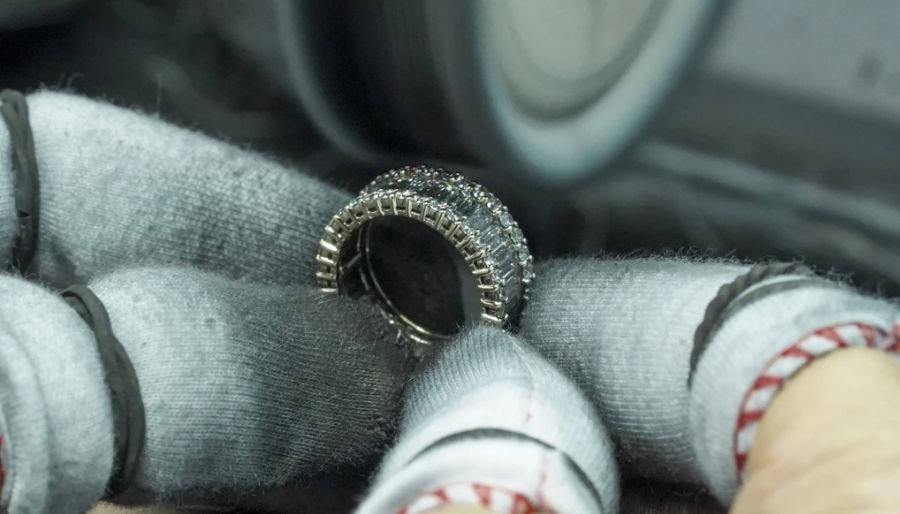
Each jewelry piece is inspected for accuracy in measurements and finish quality. Key details like polish, settings, and structure are assessed to guarantee adherence to brand specifications. - Reworking or Rejecting Defective Items
Defective pieces are either corrected by skilled artisans or removed from the production lot. This ensures only flawless items proceed to delivery. - Assessment of Durability and Functionality
The jewelry undergoes rigorous testing to ascertain its resistance to wear and tear. This process is crucial for ensuring lasting quality and customer satisfaction.
By following these steps, quality assurance minimizes errors and enhances the integrity of the jewelry, aligning every product with the brand’s high standards.
Customization and Branding
Customization and branding enable a jewelry brand to stand out and create a unique market presence. The following steps explain how to enhance these aspects effectively with an OEM manufacturer.
1. Consultation for Brand Identity Alignment
Engage in detailed consultations with the manufacturer to ensure alignment between your brand’s identity and the final jewelry product. This includes discussing brand logos, design themes, and aesthetic preferences.
2. Design Modification Options
Request design modifications that reflect your brand’s uniqueness. Adjustments such as material selection, gemstone incorporation, or altering finishes allow for the creation of distinct pieces that resonate with your audience.
3. Incorporation of Branding Elements
Collaborate with the manufacturer to incorporate branding elements into the jewelry. This includes engravings, personalized tags, or packaging designs that represent your business identity.
4. Prototyping and Refinement
Ensure the manufacturer provides detailed prototypes featuring branding elements. Reviewing and refining these prototypes confirms that they align with your brand’s standards and expectations.
5. Final Presentation and Packaging
Work with the manufacturer to finalize branding through packaging and presentation. Custom-branded boxes, labels, and marketing inserts showcase your brand while enhancing the buyer’s experience.
Focusing on customization and branding through structured collaboration with the OEM ensures your jewelry is both unique and reflective of your brand identity.
Why Choose Our OEM Jewellery Manufacturing Services?
Partnering with Orion Craftsmen can transform your jewelry brand’s vision into reality. With our expertise in precision craftsmanship, advanced technology, and a commitment to quality, we ensure every piece reflects your brand’s identity. From design conceptualization to final production, we focus on seamless collaboration to bring your ideas to life.
Our team prioritizes customization, ethical sourcing, and rigorous quality assurance to deliver exceptional results that meet your standards. Whether you’re scaling production or creating unique pieces, we provide the support and flexibility your brand needs to thrive. Let’s work together to craft jewelry that captivates your audience and elevates your brand.
Read more