Partnering with an OEM manufacturer can be a game-changer for your business. It allows you to tap into specialized expertise and streamline your production processes while focusing on your core competencies. But what should you really expect when entering this type of partnership? Understanding the dynamics of OEM relationships is crucial for maximizing the benefits and ensuring a smooth collaboration.
From defining clear objectives to fostering open communication, each step plays a vital role in the partnership’s success. You’ll need to choose the right partner who aligns with your goals and can meet your production needs. With the manufacturing landscape constantly evolving, staying informed about your OEM’s capabilities and innovations is key to navigating this partnership effectively. Get ready to explore the essential aspects of what to expect when teaming up with an OEM jewelry manufacturer.
Understanding OEM Partnerships
You must grasp the core principles of OEM partnerships to navigate this collaboration effectively. An OEM partnership involves companies working together to produce components or products that are marketed under another company’s brand, allowing both to focus on their core competencies.
Definition of OEM and Key Functions
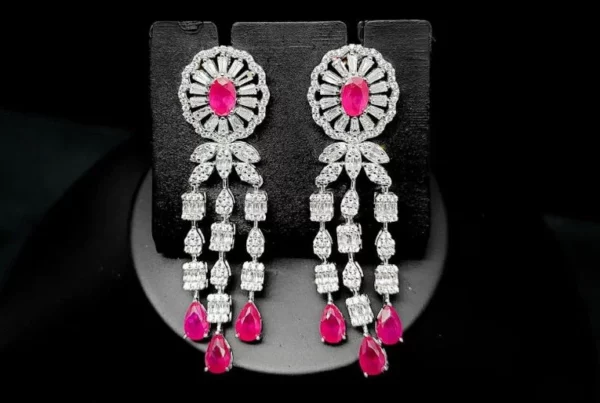
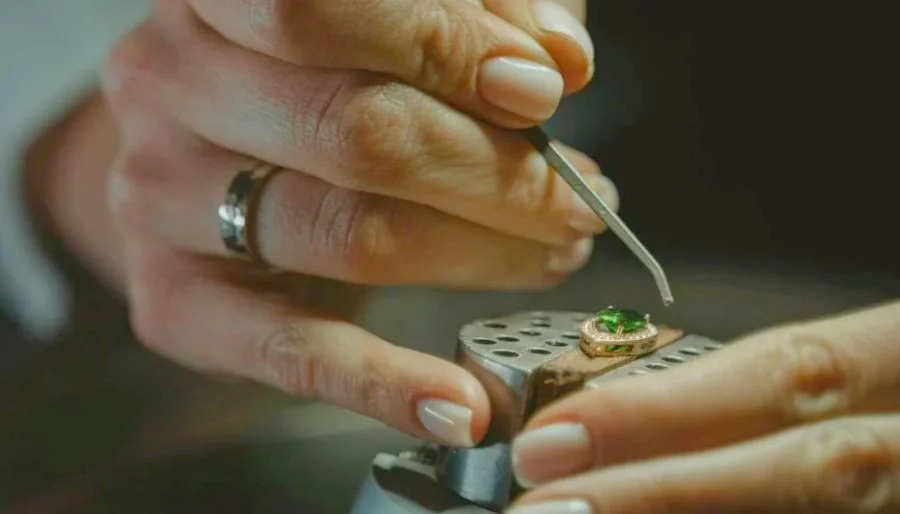
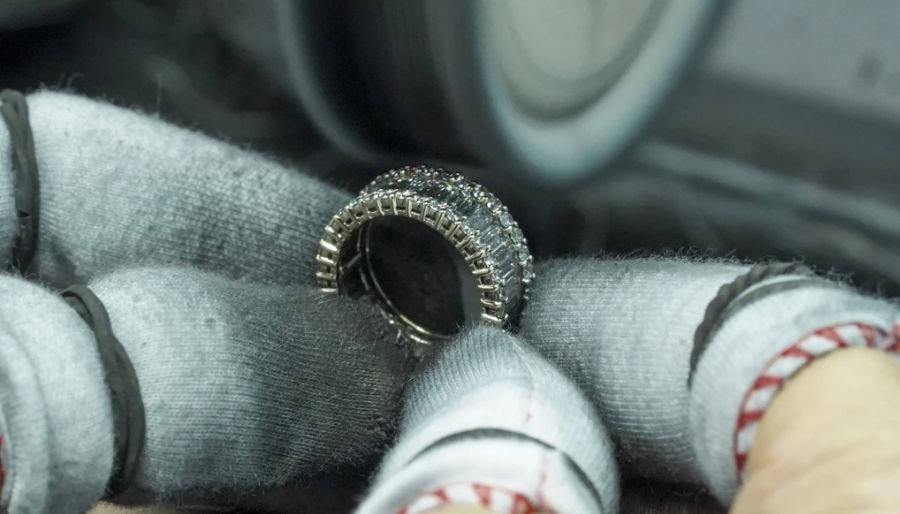
An OEM, or Original Equipment Manufacturer, provides products or components that other companies integrate into their offerings. Key functions include specialized manufacturing, product development, and offering software solutions tailored to specific needs. In the context of the OEM jewelry process, for example, an OEM jewelry manufacturer produces jewelry pieces that companies can brand and sell as their own. This supports efficiency and quality assurance while allowing brands to leverage the expertise of established manufacturers.
Importance of OEMs in Product Development
OEMs play a crucial role in product development. They provide access to advanced technologies and specialized capabilities, enabling you to produce high-quality items without extensive investment in resources. By collaborating with OEMs, your business can expedite the development process, respond to market demands swiftly, and innovate without relying heavily on in-house resources. This is particularly valuable in dynamic markets like jewelry, where trends evolve rapidly. Leveraging an OEM jewelry manufacturer allows businesses to focus on branding and marketing while ensuring product quality through expert manufacturing processes.
What to Expect When Partnering with an OEM Manufacturer
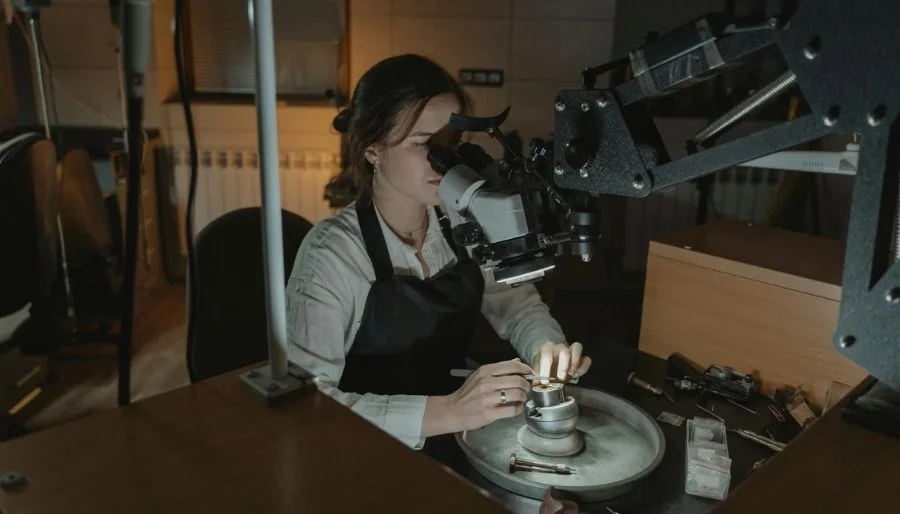
When partnering with an OEM manufacturer, expect a collaborative effort focused on maximizing efficiency and quality. Understanding key aspects of this relationship helps in navigating the OEM jewelry process effectively.
Assessing Capabilities and Expertise
Assess the OEM’s technical capabilities and expertise relevant to your specific needs. Review their production capacity, specialized equipment, and experience in the jewelry industry. Understanding their strengths ensures they can support your objectives and meet your volume requirements.
Evaluating Quality Control Measures
Evaluate the OEM’s quality control processes thoroughly. Inquire about their standards, inspection methods, and certifications relevant to jewelry manufacturing. A manufacturer with robust quality control practices minimizes defects and ensures high-quality products, critical in the jewelry sector.
Understanding Pricing Strategies and Financial Transparency
Understand the pricing strategies employed by the OEM. Request detailed quotes that clarify costs associated with production, materials, and any additional fees. Ensure financial transparency to avoid unexpected expenses, allowing you to budget effectively for the jewelry production process.
Communicating Clearly and Establishing Expectations
Communicate clearly with your OEM partner to establish mutual expectations. Define roles, timelines, and deliverables upfront to prevent misunderstandings. Regular check-ins help address issues as they arise, fostering a strong relationship and ensuring the partnership thrives throughout the OEM jewelry process.
Benefits of Partnering with an OEM Manufacturer
Partnering with an OEM manufacturer offers numerous advantages that can enhance your business operations. Understanding these benefits can help you leverage the partnership effectively.
Access to Innovation and Technology
Access to cutting-edge technology stands out as a key benefit when partnering with an OEM jewelry manufacturer. OEMs invest in advanced manufacturing techniques and research and development, enabling you to incorporate the latest innovations into your products. This collaboration enhances product quality and allows for quicker adaptation to market trends, essential in the fast-paced jewelry industry.
Operational Efficiencies and Cost Savings
Operational efficiencies arise from outsourcing production aspects to an OEM. By utilizing their economies of scale, you reduce manufacturing costs significantly. Inventory costs, which typically consume 25-35% of small business budgets, can decline as OEMs produce parts in bulk, leading to quicker production times. This partnership helps streamline labor-intensive processes, allowing you to allocate resources better and concentrate on your core business objectives.
Market Expansion Opportunities
Market expansion becomes more achievable through collaboration with OEMs. By leveraging each other’s strengths and market presence, you can enter new markets more effectively. OEM partnerships also help mitigate risks associated with new product development and market entry, enabling you to share operational and financial responsibilities. With combined expertise, you position yourself more favorably for successful launches in diverse markets within the OEM jewelry process.
Challenges to Consider in OEM Partnerships
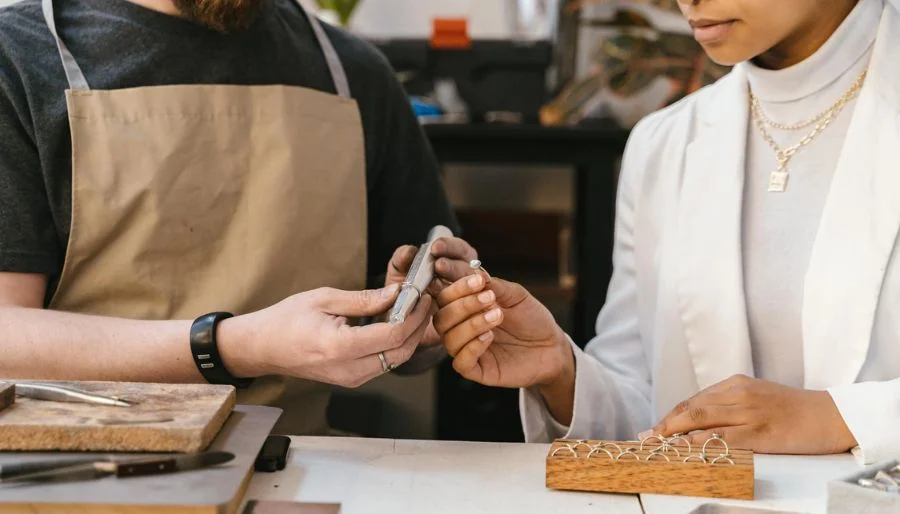
Partnering with an OEM requires careful navigation of potential challenges that can impact your business. Understanding these challenges helps ensure a successful relationship and a smoother OEM jewelry process.
Addressing Communication Barriers
Effective communication is crucial in OEM partnerships. Misunderstandings often arise due to differences in language, culture, or business practices. Establishing clear lines of communication at the outset helps mitigate these issues. Regular updates and check-ins enable both parties to discuss progress, address concerns, and maintain alignment on objectives. Utilizing collaborative tools and technology can further enhance communication and ensure that everyone remains informed throughout the OEM jewelry process.
Managing Risk and Contingency Plans
Collaborating with an OEM inherently involves certain risks. Factors such as supply chain disruptions, quality inconsistencies, and delays can affect product delivery and overall satisfaction. Developing contingency plans for potential setbacks minimizes the impact of these risks. Engage in thorough due diligence on the OEM’s capabilities and track record. Establish protocols for quality assurance and risk management, fostering a proactive approach to challenges. By being prepared for uncertainties, you enhance the chances of a successful partnership and strengthen resilience in the face of obstacles.
Strategies for Successful OEM Collaboration
Establishing effective strategies enhances the partnership with an OEM manufacturer. Focus on building trust, maintaining communication, and adapting processes to accommodate each other’s needs.
Building Trust and Open Communication
Trust forms the foundation of any successful collaboration. Cultivating it begins with transparent communication. Discuss objectives, expectations, and potential challenges candidly. Regular updates about the OEM jewelry process keep both parties aligned, reducing misunderstandings. Foster an environment where concerns can be addressed quickly. Encourage feedback and make adjustments to align with evolving market conditions or project goals.
Flexibility and Adaptation in Processes
Flexibility in processes proves essential when partnering with an OEM jewelry manufacturer. Each partner may need to adjust timelines, production methods, or specifications based on situational demands. Being open to changes enables both parties to respond effectively to unforeseen challenges or opportunities. Implementing agile methodologies allows for quick pivots, ensuring that the collaboration remains productive and aligned with the overall objectives. Regularly revisiting and refining processes helps improve operational efficiency and product quality throughout the OEM jewelry process.
Final Thoughts on OEM Partnerships
Partnering with an OEM manufacturer can transform your business by enhancing efficiency and product quality. By focusing on clear communication and mutual objectives you can build a strong foundation for collaboration. Embracing flexibility and staying informed about your partner’s capabilities will enable you to navigate the dynamic market landscape effectively.
As you embark on this journey, remember that a successful OEM partnership not only streamlines production but also opens doors to innovation and growth. By leveraging each other’s strengths you can position your brand for success in an ever-evolving industry. Embrace the potential of OEM collaboration and watch your business thrive.
Read more