Mokume Gane, an ancient Japanese metalworking technique, is making waves in contemporary jewelry design. Its mesmerizing patterns and unique fusion of metals offer endless possibilities for creating striking pieces. You might be surprised to learn that this technique isn’t just for traditional rings or pendants anymore; it’s finding its way into bracelets, earrings, and cufflinks, allowing for a diverse range of styles.
As artisans continue to explore innovative ways to incorporate Mokume Gane, you’ll discover how to blend this captivating technique with modern aesthetics. Whether through bold color combinations or avant-garde shapes, the art of Mokume Gane can elevate your jewelry collection, making each piece not just an accessory but a statement. Join us as we delve into practical tips and inspiration for seamlessly integrating Mokume Gane into your designs.
Understanding Mokume Gane
Mokume Gane is a distinctive metalworking technique that combines multiple layers of metals, resulting in stunning patterns that resemble wood grain. This ancient Japanese art form is finding its place in modern Mokume Gane jewelry designs, enhancing the visual appeal of various types of jewelry.
The History of Mokume Gane
Mokume Gane originated in 17th-century Japan, initially as a method for decorating samurai swords. This intricate technique developed from the crafts of sword makers who sought to create beautiful fittings for their weapons. As the years progressed, Mokume Gane evolved into a revered art form, admired for its complexity and aesthetic qualities. The term “Mokume” translates to “wood eye,” while “Gane” means “metal,” encapsulating the beautiful wood-like patterns within the metal. Over the centuries, artisans have embraced this craft, incorporating it into contemporary designs such as modern Mokume Gane rings, bracelets, and earrings.
The Process of Creating Mokume Gane
Creating Mokume Gane involves several detailed steps that require precision and skill. First, select and prepare different metal sheets, typically made from various alloys like silver, gold, platinum, and palladium. These sheets are layered in alternating patterns, with the number of layers varying from a few dozen to several hundred, depending on the desired complexity.
Once stacked, the metals undergo a heating process at a temperature close to their melting points, promoting a bonding technique known as diffusion bonding. Pressure is then applied through hammering or pressing, merging the layers into a single billet. This fusion process is critical, as improper temperature or pressure can lead to poor bonding. After forming the Mokume Gane billet, artisans hammer it to achieve the desired patterns, then file and shape the metal into pieces like modern Mokume Gane rings or other jewelry items. The final product showcases the intricate, unique designs that make Mokume Gane so captivating in contemporary jewelry.
Materials and Tools Needed
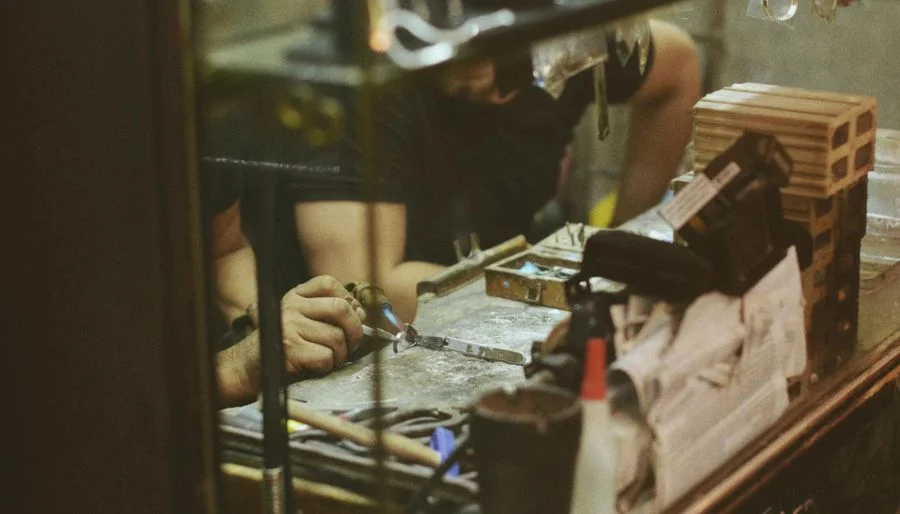
Creating stunning Mokume Gane jewelry designs requires specific materials and essential tools to achieve the desired results.
Recommended Metals for Mokume Gane
Choose metals based on the visual appeal and physical properties required for your modern Mokume Gane rings and other jewelry pieces. Common choices include:
- Copper offers a warm color tone and excellent bonding properties. Copper acts as a base layer and is often mixed with other metals for intricate designs.
- Sterling Silver: Known for its malleability and durability, sterling silver creates beautiful contrasts with other metals.
- Gold Alloys: Available in yellow, white, and rose variations, gold alloys provide rich colors and luxurious aesthetics.
- Brass: This affordable option pairs well with copper and silver, enhancing the overall palette.
- Platinum and Palladium: These precious metals add a premium look and exceptional durability, ideal for high-end jewelry applications.
Essential Tools for Working with Mokume Gane
Utilizing the right tools facilitates the Mokume Gane process while optimizing the quality of your designs. Essential tools include:
- Forge or Kiln: For heating metal stacks to the required temperatures for diffusion bonding.
- Press or Hammer: Applies necessary pressure to the metal layers, ensuring proper bonding during the fusion process.
- Rolling Mill: Thins and stretches the fused billet to enhance the patterns.
- Chisels, Files, and Gravers: Used for carving and revealing the layered patterns, allowing for intricate designs.
- Polishing Equipment: Refines surfaces and highlights the unique patterns, delivering a polished finish.
By selecting appropriate metals and utilizing essential tools, you ensure successful implementation of Mokume Gane in your jewelry creations.
Incorporating Mokume Gane into Jewelry Design
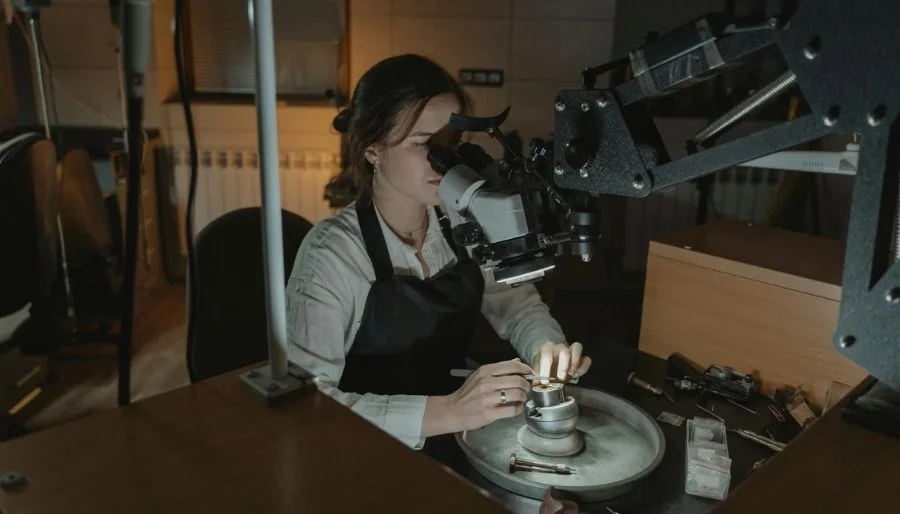
Integrating Mokume Gane into jewelry design enhances both traditional and contemporary pieces, allowing for creativity and unique personalization. This section outlines various approaches to effectively incorporate this captivating technique into your designs.
Traditional Jewelry Designs with Mokume Gane
Embrace classic styles by crafting Mokume Gane jewelry designs that pay homage to their rich history. Utilize this technique to craft one-of-a-kind stunning rings, pendants, and brooches. Incorporate nature-inspired motifs, such as cherry blossoms or waves, evoking the heritage of Japanese culture. Layer metals like silver, gold, and copper to achieve elegant color combinations that reflect traditional aesthetics while captivating modern sensibilities.
Modern Innovations in Mokume Gane Jewelry
Explore contemporary interpretations of Mokume Gane by experimenting with innovative designs and bold color palettes. Design modern Mokume Gane rings that showcase vibrant hues through the fusion of different metals for eye-catching effects. Advance the technique with unconventional shapes, integrating geometric patterns and asymmetrical designs. This approach results in striking pieces that appeal to modern tastes while retaining the essence of tradition.
Techniques for Pattern Development
Develop unique patterns in your Mokume Gane jewelry utilizing various techniques. Consider manipulating the metal layers through twisting and folding to create dynamic textures. Apply surface treatments and etching to enhance visual interest and depth. Leverage tools such as chisels and rolling mills to refine and define intricate patterns. By mastering these methods, your creations will not only embody the captivating beauty of Mokume Gane but also stand out in the modern jewelry landscape.
Design Considerations
Incorporating Mokume Gane into your jewelry designs involves thoughtful choices regarding color, texture, and customization. Each aspect contributes to the overall allure of the piece and can significantly enhance its appeal.
Selecting Color Combinations
Choose color combinations that highlight the unique patterns of Mokume Gane. Pair warm metals like copper and gold with cool ones like silver and platinum for contrast. Experiment with layering these metals to create depth. Consider using colored patinas for added visual interest. For instance, a modern Mokume Gane ring can exhibit striking visuals by harmonizing blue and green hues with the warm undertones of brass.
Textures and Finishes
Incorporate various textures and finishes to enrich your Mokume Gane jewelry designs. Utilize techniques like satin, matte, or high polish to create visual diversity. Additionally, consider incorporating engraved or hammered textures that add tactile dimensions. These techniques heighten the appeal and enhance light reflection, making the jewelry stand out. A layered finish can complement polished areas, resulting in eye-catching contrasts.
Customizing Your Designs
Personalization plays a crucial role in modern Mokume Gane jewelry. Tailor designs to reflect individual stories or preferences through shape and symbolism. You can incorporate elements like initials or significant dates into your jewelry pieces. Offer customization options in metal selection and pattern choice to create unique items. This approach ensures that each piece resonates with the wearer, making it not only a beautiful accessory but also a cherished keepsake.
Step-by-Step Guide to Creating Mokume Gane Jewelry
Creating Mokume Gane jewelry designs involves a meticulous process that yields stunning patterns and unique pieces. Follow these steps to successfully incorporate this captivating technique into your jewelry creations.
Preparing Your Metals
- Select metals. Choose metals like copper, sterling silver, gold alloys, and other materials that complement each other visually and physically.
- Clean metals. Ensure each metal sheet is free from contaminants. Clean surfaces thoroughly to prevent any imperfections during bonding.
- Cut metals. Cut your selected metals into desired sizes. Aim for sheets of consistent thickness for uniformity in the final piece.
Layering Techniques
- Stack metals. Layer the clean metal sheets in the desired order, allowing you to create a visually striking pattern. The arrangement dictates the final aesthetic.
- Bind layers. Use diffusion bonding or soldering to fuse the layers together. Apply sufficient heat and pressure, ensuring the metals bond effectively.
- Heat and soak. Heat the layered stack in a kiln for several hours, allowing the metals to bond completely. This process enhances the structural integrity of your Mokume Gane billet.
- Manipulate stack. After cooling, shape the fused stack using techniques such as twisting or forging to create intricate patterns. Explore various methods to develop a diverse design.
- Cut and form. Cut the shaped billet into your desired jewelry form, whether it’s a modern Mokume Gane ring, pendant, or earring.
- Polish and finish. Apply final polishing techniques to enhance the visual appeal. Experiment with different finishes, such as satin or high polish, to elevate the aesthetic of your piece.
Tips for Success
Incorporating Mokume Gane into your jewelry designs requires attention to detail and a creative mindset. Follow these tips to enhance your crafting process and achieve stunning results.
Common Mistakes to Avoid
- Ignoring Metal Preparation: Properly clean and prepare each metal sheet before layering. Contaminants can interfere with diffusion bonding.
- Overlooking Pattern Planning: Plan out your designs and patterns ahead of time. Random layering may result in less visually appealing outcomes.
- Neglecting Tool Maintenance: Maintain your tools in good condition. Dull or damaged tools can lead to inaccuracies and affect the quality of your Mokume Gane jewelry designs.
- Underestimating Heat Control: Monitor and control the temperature carefully during the heating process. Inconsistent heat can lead to poor bonding or warping.
- Skipping Testing: Test new metal combinations and techniques before beginning full-scale projects. Experimentation leads to unique and successful modern Mokume Gane rings.
- Books and Literature: Explore specialized books focused on Mokume Gane techniques and jewelry design. Titles like “Mokume Gane: A Study of Wood Grain” provide comprehensive insights.
- Online Courses: Enroll in online courses that offer step-by-step guides and video tutorials on Mokume Gane. Websites like Craftsy and Skillshare offer valuable resources.
- Workshops and Classes: Attend local workshops or classes led by experienced artisans. Engaging in hands-on learning can enhance skills and inspire creativity.
- Community Forums: Join discussions and online communities that focus on metalworking and jewelry design. Engaging with fellow artisans provides support and shared knowledge.
- YouTube Channels: Follow YouTube channels dedicated to Mokume Gane and jewelry making. Visual demonstrations facilitate a better understanding of advanced techniques.
Troubleshooting Common Issues
Identifying and resolving common issues in Mokume Gane jewelry designs enhances the quality of your creations. Focus on imperfections in patterns and structural strength to achieve high-quality, appealing pieces.
Dealing with Imperfections in Patterns
Experiment with techniques to address imperfections in Mokume Gane patterns. Inspect the layers before fusing. Align layers precisely to minimize misalignment during processing. Adjust pressure application while forging to ensure even pattern creation. If patterns appear uneven after cutting, consider reworking the layers by polishing or adding new textures. Test different heating durations and temperatures to better control diffusion bonding for more consistent results in future projects.
Adjusting Designs for Structural Strength
Prioritize structural integrity in modern Mokume Gane rings and other forms. Select appropriate metal combinations by choosing metals with similar hardness levels, such as gold alloys and platinum, to ensure durability. Reinforce design choices by incorporating thicker layers or strategic supports, such as using a solid core. Experiment with different shapes and forms; wider rings provide greater strength compared to narrow settings. Regularly evaluate your finished pieces for any signs of weakness and adjust your methods accordingly to maintain the longevity and stability of your designs.
The Future of Mokume Gane in Jewelry Design
Mokume Gane is evolving, paving the way for innovative jewelry designs and sustainable practices.
Emerging Trends and Technologies
Innovative designs in Mokume Gane jewelry showcase experimental color combinations and unique metal fusion techniques. Designers increasingly incorporate vibrant hues into their patterns. New technologies, such as laser welding and 3D printing, enhance production efficiency and design complexity. Contemporary Mokume Gane rings frequently showcase bold shapes that challenge conventional norms. Artisans also explore innovative tools and methods, encouraging the creation of unique jewelry pieces that resonate with modern aesthetics.
Sustainability Considerations in Metal Design
Sustainability plays a crucial role in future Mokume Gane jewelry designs. Artisans prioritize ethically sourced metals, promoting environmentally conscious practices. Techniques that minimize waste during production, including efficient forging and metal recycling, are gaining traction. Additionally, using eco-friendly patinas and finishes ensures that the environmental impact remains low while maintaining aesthetic beauty. Incorporating sustainable practices not only enhances the integrity of Mokume Gane jewelry but also appeals to a growing market of environmentally aware consumers.
Wrap-Up
Incorporating Mokume Gane into modern jewelry designs offers a distinctive blend of tradition and innovation, making each piece a true work of art. This ancient metalworking technique requires exceptional skill, precision, and experience to achieve its signature woodgrain patterns and seamless integration into contemporary styles. To ensure the highest quality and craftsmanship, it’s essential to partner with an OEM jewelry manufacturer that specializes in Mokume Gane creation. A trusted manufacturer, like Orion Craftsmen, can help bring your vision to life with expert techniques, premium materials, and meticulous attention to detail. By working with experienced artisans, you can create stunning, one-of-a-kind jewelry that sets your brand apart in the market.
Read more