Starting a small jewelry production business can be an exciting venture, but it’s essential to arm yourself with the right knowledge before diving in. With the global jewelry market continually growing, there’s a high demand for unique and ethically made pieces. Understanding the different production methods like soldering, casting, and laser cutting can set you apart from the competition and help you create high-quality products.
You’ll also want to identify your niche, whether it’s fine jewelry, costume pieces, or a mix of both. Knowing your target market and current trends will guide your design process and marketing strategy. Small batch OEM manufacturing offers flexibility and lower minimums, allowing you to scale your business gradually while maintaining quality control. With the right preparation, you can transform your creative ideas into a thriving jewelry brand.
Understanding Your Jewelry Production Niche
Understanding your niche is crucial in small-scale jewelry production. Identifying the type of jewelry you want to create sets the foundation for your business.
Consider these categories when defining your jewelry focus:
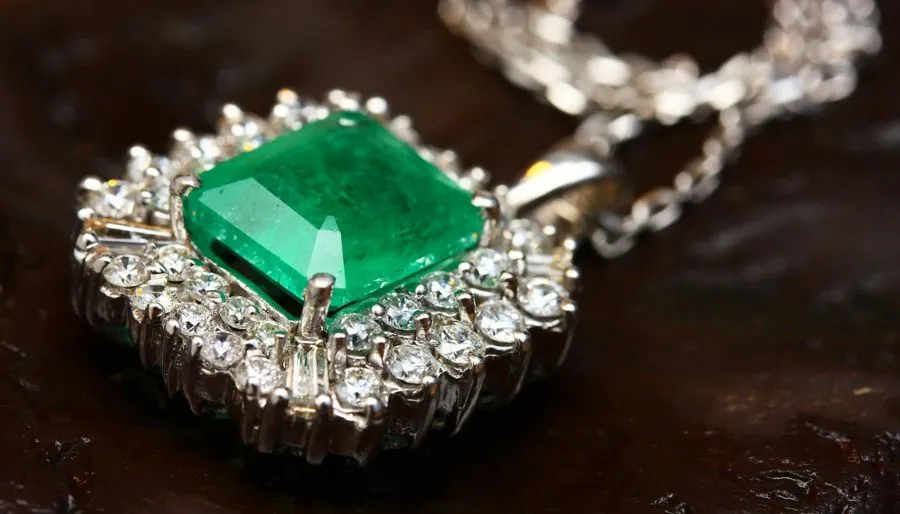
- Fine Jewelry: Characterized by precision, precious metals, and high-quality stones. Fine jewelry typically involves higher price points and attracts luxury customers seeking unique pieces.
- Costume Jewelry: Made from low-cost materials such as beads, wire, and plated metal. This type of jewelry emphasizes creativity and high-volume production, appealing to the everyday consumer.
- Handmade Jewelry: Focuses on specialized craftsmanship using mid-range materials, often featuring unique, one-of-a-kind designs. This segment caters to niche markets that value individuality in their accessories.
- Bespoke Jewelry: Offers personalized designs tailored to customer preferences, combining various materials. Bespoke pieces frequently target collectors and gift-giving occasions, showcasing skilled craftsmanship.
Defining your niche helps guide your design and marketing strategies, ensuring you cater to specific audience preferences.
Identifying Your Unique Style
Identifying your unique style establishes your brand identity. Explore these practices for inspiration:
- Gather Inspiration: Create digital mood boards using tools like Pinterest or design apps. Collect images that resonate with your vision and desired aesthetic.
- Experiment with Materials: Mix different materials, including textiles, metals, and gemstones. Incorporate unique elements that reflect your personal style and creativity.
- Stay Informed on Trends: Research current jewelry trends to find what resonates with your target audience. Balance trendy designs with your unique touch to create a signature look.
- Consistency in Branding: Maintain a consistent brand message across all platforms. Your style should be recognizable, ensuring customers associate your pieces with your unique identity.
Developing your unique style and niche will position you effectively in the competitive small-scale jewelry production market.
Planning Your Jewelry Business
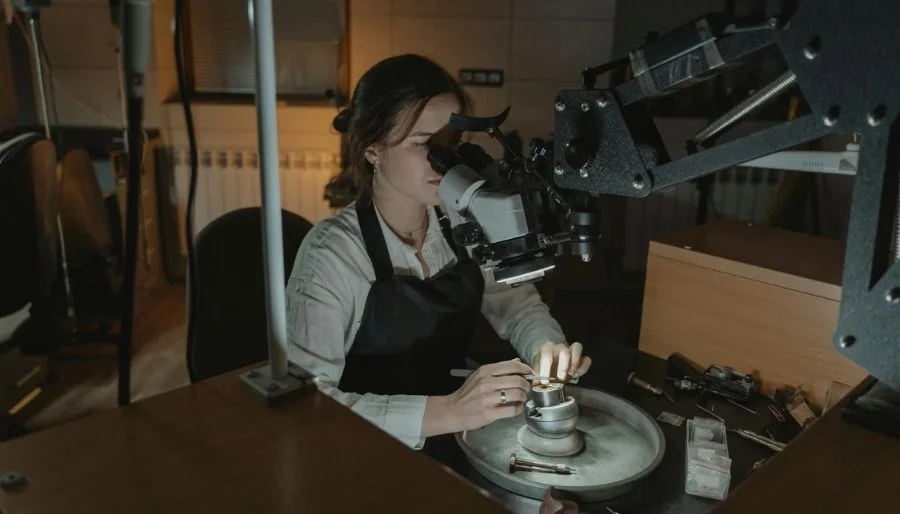
Planning serves as the backbone of your small-scale jewelry production efforts. A well-thought-out strategy fosters organization and streamlines your path toward success, especially in the competitive jewelry market.
Crafting a Business Plan
Crafting a business plan involves documenting your vision for a sustainable jewelry enterprise. Your plan should outline essential components such as your target audience, production methods, and funding sources. Focus on the specifics of low-volume jewelry manufacturing, emphasizing the unique aspects that differentiate your product. Include sections on market research and competitor analysis to equip yourself with vital insights. A clear plan not only guides your operations but also proves crucial for attracting potential investors or partners.
Setting Business Goals and Objectives
Setting business goals and objectives creates a roadmap to measure your progress. Aim for specific, measurable, achievable, relevant, and time-bound (SMART) goals. Identify short-term objectives, such as launching your first collection or generating a specific revenue target, alongside long-term aspirations like expanding your market reach. Clarifying your mission and vision will inform decisions, such as whether to focus on fine jewelry or costume pieces, enabling you to align your strategies with customer expectations and market trends.
Setting Up Your Workspace

Creating an effective workspace is crucial for small-scale jewelry production. A well-organized area enhances efficiency, fosters creativity, and minimizes distractions.
Required Tools and Equipment
You’ll need specific tools and equipment for small batch jewelry manufacturing. Essential items include:
- Workbench: A sturdy, well-lit surface for working on your designs.
- Hand tools: Pliers, wire cutters, and files are vital for shaping and assembling pieces.
- Soldering equipment: A soldering iron and safety gear ensure secure joins in metalwork.
- Casting supplies: If you plan on casting, invest in a small furnace, investment material, and centrifugal casting machine.
- Polishing tools: Buffers and polishing compounds provide a professional finish.
- Storage solutions: Organizers or containers for beads, wires, and finished pieces keep your workspace neat.
Organizational Tips for Efficiency
Organizing your workspace fosters productivity. Implement these tips to enhance efficiency:
- Create zones: Designate areas for different tasks such as designing, assembling, and finishing.
- Utilize vertical space: Install shelves or pegboards to store tools and materials within easy reach.
- Label everything: Clear labels on storage containers and tools streamline locating items quickly.
- Maintain cleanliness: Regularly clean your workspace to avoid clutter and improve focus.
- Schedule production time: Set regular hours for production to create a routine that boosts output.
A well-structured workspace contributes significantly to your success in small-scale jewelry production.
Production Methods for Jewelry
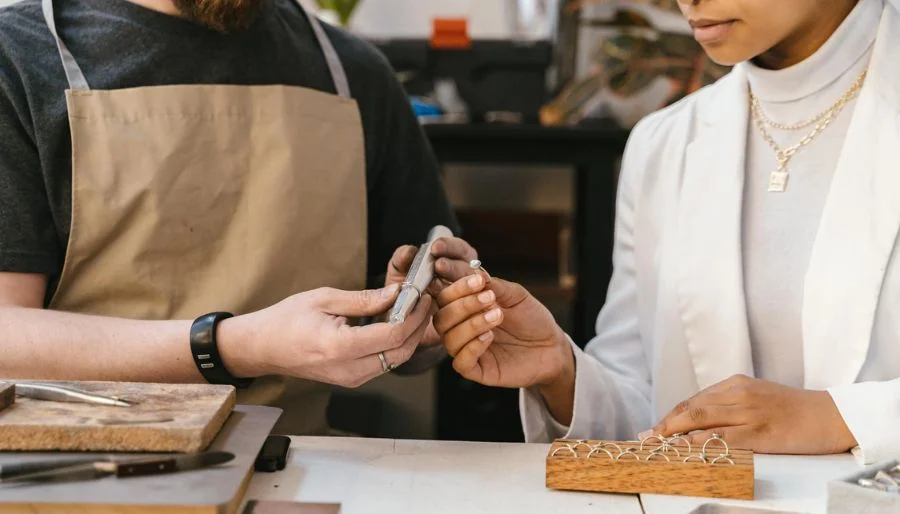
Understanding production methods is crucial for your small-scale jewelry production. The choice between handcrafted and factory-made processes affects costs, quality, and your brand’s identity. Evaluate these methods carefully to determine what best suits your business model.
Handcrafted vs. Factory-Made Jewelry
Handcrafted jewelry offers uniqueness and personalization, appealing to customers seeking bespoke pieces. This method often involves techniques like soldering, casting, and gemstone setting, providing a high level of craftsmanship. However, handcrafted production can require specialized skills and tools, making it suitable for low-volume jewelry manufacturing. Meanwhile, factory-made jewelry provides efficiency and scalability, which can lead to lower production costs for larger orders. Consider your target audience and desired output when choosing between these methods.
Exploring Print-On-Demand Options
Print-on-demand is an innovative approach for small-scale jewelry production. This method allows you to upload designs, which are then produced and shipped directly to the customer. With print-on-demand services, you can access various materials, including stainless steel and gold, without the upfront investment in inventory. This flexibility makes it ideal for entrepreneurs testing different designs or focusing on low-volume jewelry manufacturing. Explore platforms like the Shopify App Store, which offer apps for creating and managing custom products efficiently.
Marketing Your Jewelry Brand
Marketing your jewelry brand involves effectively reaching your target audience and promoting your unique offerings. Utilizing various strategies can build brand awareness and drive sales in the competitive market.
Building an Online Presence
Establish your brand through a professional website that showcases your collections and the story behind your designs. Online presence creates credibility and allows you to control your brand narrative. Use platforms like Shopify or Squarespace to easily create an e-commerce site that fits your needs. Ensure your website includes an engaging blog to share updates, insights, and tips related to small-scale jewelry production. This approach not only improves SEO performance but also connects you with potential customers interested in your brand philosophy.
Strategies for Social Media Promotion
Utilize social media to elevate your jewelry brand’s visibility. Focus on platforms like Instagram and Pinterest, which allow you to showcase stunning images of your pieces. Post high-quality content that reflects your brand identity, combining product shots with lifestyle images. Engage with your audience through artistic videos and inspirational stories. Fill gaps between promotion-focused posts with entertaining or informative content that resonates with your followers. Experiment with different types of content tailored to each platform’s unique vibe to optimize engagement. Consider running paid social media campaigns to reach specific demographics, enhancing the effectiveness of your marketing efforts.
Financial Considerations
Understanding financial aspects is crucial in small-scale jewelry production. Awareness of costs, pricing strategies, and cash flow management ensures sustainability and growth.
Understanding Costs and Pricing Strategies
Recognizing costs involves assessing material expenses, tool investments, marketing costs, and labor fees. Calculate production costs by adding fixed expenses, like equipment purchases, and variable costs, such as materials used per piece.
Establish pricing strategies that reflect your unique offerings and market position. Consider using markup pricing, which calculates a selling price based on production costs, or competitive pricing, which aligns your prices with competitors in your niche. For low-volume jewelry manufacturing, price your items to cover overhead while still appealing to your target audience.
Evaluate the perceived value of your products based on quality and design. If your products include unique features, higher pricing might be appropriate.
Managing Cash Flow Effectively
Managing cash flow effectively supports ongoing operations in small-scale jewelry production. Track income and expenses meticulously to maintain a healthy financial balance. Use budgeting tools or financial software to monitor cash flow.
Establish a cash reserve to cover unexpected costs, ensuring business stability. If expenses exceed income during slow sales periods, adjust your production volume or marketing efforts accordingly.
Implement straightforward invoicing practices for customer clarity and prompt payments. Offer multiple payment options and consider providing incentives, like discounts for early payments, to improve cash flow.
Legal and Administrative Requirements
Understanding the legal and administrative requirements is crucial for launching your small-scale jewelry production business. Addressing these aspects helps ensure compliance and sets a solid foundation for future growth.
Registering Your Business
Registering your business is a vital step to operate legally. You need to select a suitable business structure like a sole proprietorship or Limited Liability Company (LLC). A sole proprietorship allows you to handle all profits and debts but lacks liability protection. An LLC offers a safeguard for your personal assets as the business operates as a separate entity. Registration typically involves choosing a business name and purpose, completing necessary paperwork, and acquiring local permits or licenses specific to jewelry production.
Importance of Trademarks and Copyrights
Protecting your intellectual property is essential in the small-scale jewelry production industry. Trademarks safeguard your brand name and logo, differentiating your products from competitors. Copyrights protect original designs, ensuring your creative efforts remain yours. Registering these protections not only reinforces your brand identity but also prevents potential legal issues related to stealing or replicating your designs.
Final Thoughts on Your Jewelry Business Journey
Starting your small jewelry production business is an exciting journey filled with opportunities. By understanding your niche and honing your unique style you can carve out a space in the competitive market. Prioritizing effective planning and organization will set a solid foundation for your brand.
Embrace the flexibility of small batch manufacturing and explore innovative production methods to enhance your offerings. Don’t underestimate the power of a strong online presence and engaging marketing strategies to connect with your audience.
With careful attention to financial management and legal requirements you can navigate the complexities of this industry. Trust in your creativity and passion to build a successful jewelry brand that resonates with customers.
Read more