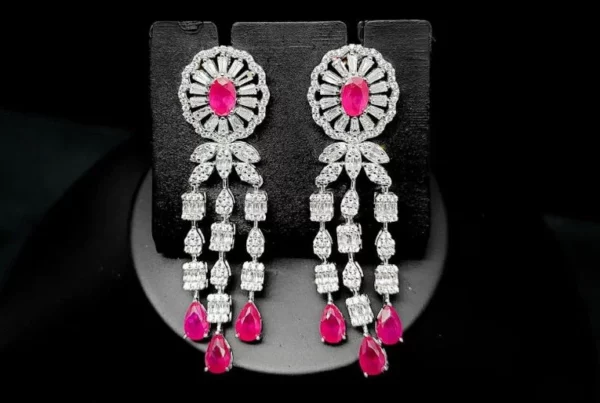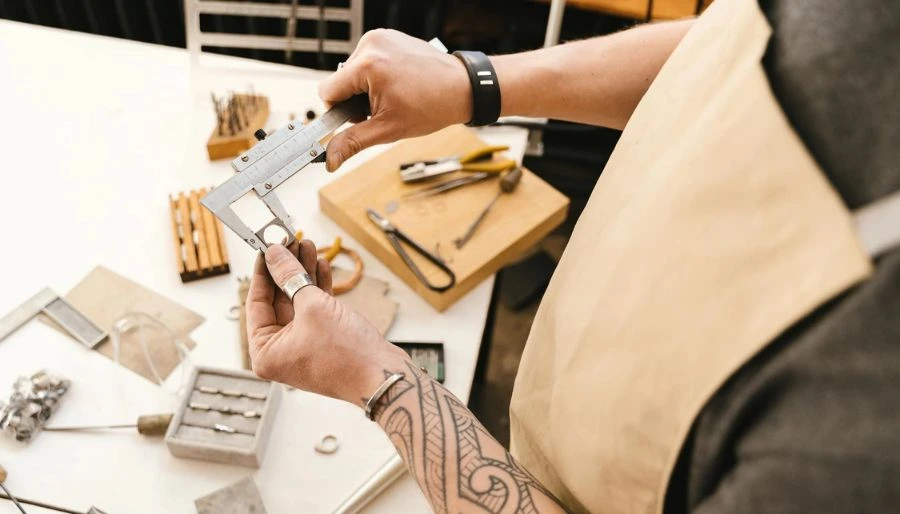
In the world of jewelry manufacturing, quality control isn’t just a step in the process—it’s the heartbeat of the industry. Every piece of jewelry tells a story, and ensuring that each item meets high standards is crucial for customer satisfaction and brand reputation. From the selection of premium gemstones to the final inspection, a robust quality control system safeguards against defects and ensures that every detail shines.
You might be surprised to learn that effective quality control can significantly impact a brand’s trustworthiness. Flawless craftsmanship not only enhances the beauty of the jewelry but also guarantees its durability over time. By prioritizing quality control, manufacturers can elevate their products and foster lasting relationships with consumers who value excellence.
The Importance of Quality Control in Jewelry Manufacturing
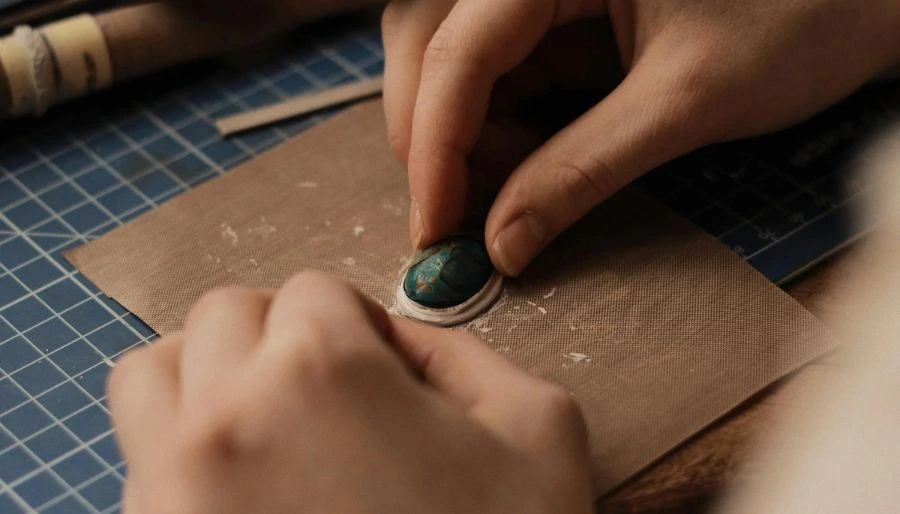
Quality control in jewelry production plays a vital role in maintaining the excellence of every piece created. This process ensures that each item meets high standards, fostering trust and satisfaction among consumers.
Meeting Quality Standards
Meeting rigorous quality standards is fundamental in jewelry manufacturing quality assurance. From the initial selection of raw materials like gemstones and metals to the final inspection of finished products, each step demands meticulous attention. Adhering to established production standards helps prevent defects and assures that every piece is flawless. Implementing a structured quality management system enables manufacturers to assess and elevate their production processes continually.
Ensuring Customer Satisfaction
Ensuring customer satisfaction hinges on delivering products without defects. Quality control in jewelry production not only meets but anticipates consumer expectations. Flawless craftsmanship resonates with consumers who value superior quality, leading to repeat business and positive referrals. When manufacturers emphasize quality control, they build loyalty and trust with their customer base, enhancing brand reputation.
Upholding Ethical Practices
Upholding ethical practices is increasingly crucial within the jewelry manufacturing sector. Quality control processes assess not only product quality but also the source of materials to verify their ethical origins. Consumers prioritize ethically sourced materials and expect transparency regarding production standards. By integrating quality control that emphasizes ethical practices, manufacturers can satisfy consumer demands while promoting social responsibility in the industry.
Quality Control Processes
Quality control processes play a pivotal role in OEM jewelry manufacturing quality assurance. These systematic checks ensure that every piece of jewelry meets high standards and satisfies customer expectations.
Pre-Production Checks
Pre-production checks are essential for identifying potential issues before manufacturing begins. These checks ensure that all machinery operates correctly and that materials meet industry standards. During this stage, inspectors evaluate the overall factory conditions and assess raw materials’ readiness for production. By addressing any discrepancies early, you can prevent disruptions later in the production cycle.
In-Production Inspections
In-production inspections occur throughout the manufacturing process. Inspectors examine jewelry at key production stages, such as casting, soldering, and setting. These inspections verify compliance with design specifications and detect flaws like misalignments or surface imperfections. By conducting frequent quality control checks in jewelry production, you reduce waste and rework, ultimately enhancing overall efficiency.
Post-Production Evaluations
Post-production evaluations provide a final assessment of your finished jewelry. This stage includes preshipment inspections to ensure every piece meets quality standards before reaching customers. Inspectors check for aesthetic features, functionality, and packaging. A thorough evaluation reinforces your commitment to quality and ethical practices, fostering trust and loyalty among consumers who value high-quality products.
Testing Methods for Quality Assurance
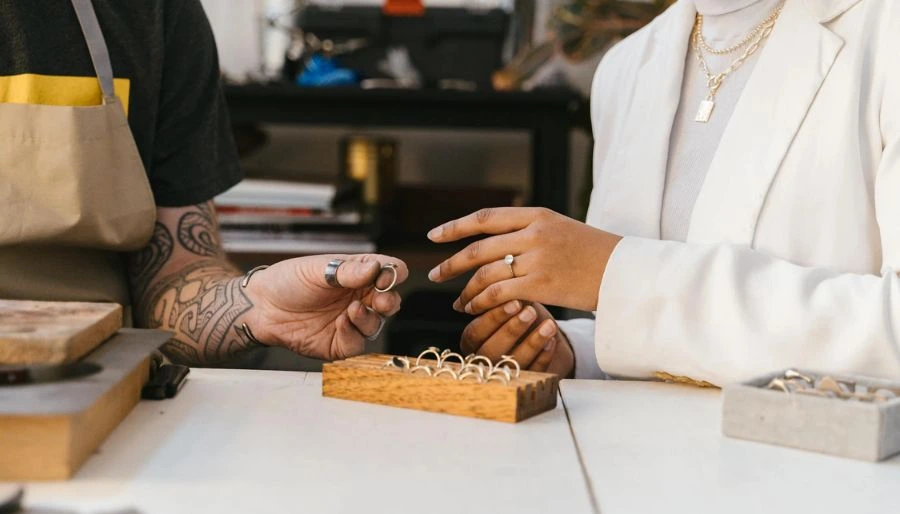
Quality assurance in jewelry manufacturing relies on various testing methods to maintain high standards. Each method ensures that every piece of jewelry meets rigorous quality control measures before it reaches the consumer.
Material Quality Testing
Material quality testing serves as the foundation for jewelry manufacturing quality assurance. You need to inspect the raw materials for purity and quality. Techniques such as X-ray fluorescence (XRF) identify and quantify the metals present in alloys, ensuring compliance with industry standards. Additionally, spectrometry helps authenticate gemstones by determining their chemical composition and identifying any treatments. Implementing thorough material testing minimizes the risk of defects and supports the creation of high-quality products.
Durability and Performance Tests
Durability and performance tests evaluate how well the jewelry withstands daily wear. Conduct tests like tensile strength assessments to measure metal components’ resistance to breaking or deforming under pressure. Additionally, a nickel release test using atomic absorption spectroscopy measures nickel levels, crucial for preventing allergic reactions. These tests guarantee that your jewelry not only looks appealing but also performs well throughout its lifespan, reinforcing quality control in jewelry production.
Aesthetic and Finish Inspections
Aesthetic and finish inspections focus on the visual appeal and final presentation of the jewelry. Each piece undergoes a thorough review to check for defects in craftsmanship, including surface smoothness, stone settings, and overall design integrity. You must ensure that the final product meets design specifications and customer expectations. These inspections play a vital role in quality assurance, solidifying your commitment to producing beautiful, high-quality jewelry that resonates with customers.
Challenges in Quality Control
Quality control in jewelry production faces several challenges that can impact the final product’s quality and market success. Common obstacles range from material inconsistencies to production errors and insufficient testing protocols.
Common Issues Faced in Jewelry Manufacturing
- Errors in Workmanship: Mistakes during the crafting process can lead to flawed pieces. Such errors may include improper stone setting or inadequate metalwork, directly affecting product quality.
- Use of Wrong Materials: Sourcing substandard or incorrect materials can compromise the integrity of the jewelry. Ensuring the authenticity and quality of materials through rigorous testing is essential.
- Poor Design or Product Engineering: Flawed designs may introduce weaknesses in durability and aesthetics. Pay attention to design elements that affect both functionality and appearance.
- Abusive Wear by Customers: While not controllable by manufacturers, customer behavior can lead to premature jewelry failure. Providing care guidelines can help mitigate this issue.
- Incomplete Inspections: Inadequate quality control measures at any stage can allow defects to pass unnoticed. Implement detailed inspections at pre-production, in-production, and post-production stages.
How to Improve Quality Control in Jewelry Manufacturing?
- Conduct Regular Audits: Establish regular audits of quality control processes to identify lapses. Independent teams can enhance objectivity and thoroughness in evaluations.
- Encourage Feedback: Collecting customer and staff feedback continuously fosters quality control improvements. Customer insights highlight potential issues, while staff suggestions can streamline production methods.
- Invest in Training: Provide employee training on best practices and the importance of meticulous workmanship. Skilled artisans contribute significantly to maintaining high standards.
- Implement Testing Protocols: Utilize comprehensive testing methods, such as material authenticity tests and durability assessments, to catch defects early in the manufacturing process.
- Collaborate with Reliable Partners: Identify and work with dependable suppliers and manufacturers to ensure high-quality inputs throughout the production process. Quality assurance in jewelry manufacturing extends to your entire supply chain.
Quality control in jewelry manufacturing isn’t just a process; it’s an essential commitment to excellence. By prioritizing rigorous testing and ethical practices, you’re not only enhancing the durability and beauty of your products but also building trust with your customers. Each flawless piece reflects your dedication to craftsmanship and attention to detail, which resonates with consumers who value quality.
Embracing effective quality control measures can set your brand apart in a competitive market. It ensures that every item you produce meets high standards and aligns with consumer expectations. Ultimately, investing in quality control fosters loyalty and paves the way for long-lasting relationships with your clients.
Read more