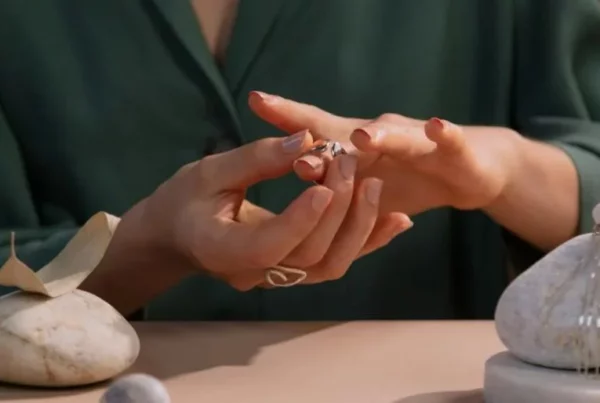
Diamonds have always symbolized luxury and romance, but today’s consumers face a pivotal choice between lab grown and natural diamonds. Both types share the same chemical structure, yet their origins and production methods set them apart. Understanding these differences can empower you to make a decision that aligns with your values and desires.
As technology advances, lab grown diamonds are gaining popularity for their ethical and environmental benefits. Meanwhile, natural diamonds carry a rich history forged deep within the Earth over billions of years. This article delves into the nuances of each type, examining their formation, cost, and overall impact. Whether you’re shopping for an engagement ring or simply exploring your options, knowing the distinctions will help you choose the perfect diamond for your unique journey.
Overview of Diamonds
Diamonds, a symbol of love and commitment, come in two primary forms: natural and lab-grown. Natural diamonds form over billions of years deep beneath the Earth’s surface through intense heat and pressure, primarily from carbon. These gems undergo a remarkable journey, often finding their way to the surface via volcanic eruptions, where they are mined from kimberlite pipes. This process, while time-consuming, creates unique and one-of-a-kind stones, each with distinct qualities.
Lab-grown diamonds, on the other hand, replicate the natural process in controlled environments. Using advanced technology, carbon atoms are arranged in the same atomic structure as natural diamonds. The result is a virtually identical gem, both in appearance and chemical composition. With lab-grown vs natural diamonds, the distinction lies in their origin.
Sustainable diamond sourcing plays a vital role in today’s ethical consumer landscape. Lab-grown diamonds offer an environmentally friendly alternative, often produced with less impact on the planet compared to their natural counterparts. As awareness of sustainable practices increases, many individuals consider lab-grown options for their engagement rings and jewelry. The decision between these diamond types involves weighing the traditional allure of natural diamonds against the ethical advantages of lab-grown stones.
What Are Lab Grown Diamonds?

Lab-grown diamonds, also referred to as synthetic or manmade diamonds, are created in controlled laboratory environments. They replicate the natural diamond formation process, resulting in gems that share the same chemical, physical, and optical properties as natural diamonds.
Creation Process
Lab-grown diamonds come from tiny carbon seeds derived from preexisting diamonds. Two primary methods for creating these diamonds are High Pressure High Temperature (HPHT) and Chemical Vapor Deposition (CVD). The HPHT method involves mimicking the intense heat and pressure found deep within the Earth to grow diamonds, while CVD uses gas mixtures at low pressures to create carbon layers that form diamond crystals. These processes can produce diamonds in just a few weeks, significantly faster than the millions of years required for natural diamonds to develop underground.
Comparison with Natural Diamonds
In lab-grown vs natural diamonds, both types possess almost identical physical and chemical characteristics, like crystal structure and refractive properties. However, natural diamonds typically contain trace elements, such as nitrogen or boron, influencing their color. Though visually similar, lab-grown diamonds often lack inclusions found in natural diamonds. Understanding these subtle differences can help you make informed choices regarding sustainable diamond sourcing, especially as lab-grown options provide an ethical alternative that meets modern consumer demands for environmental responsibility.
Natural Diamonds Explained
Natural diamonds have a fascinating formation process that takes millions of years. These gems emerge from deep within the Earth’s mantle, shaped by extreme heat and pressure, and later brought to the surface through volcanic eruptions. This unique journey gives natural diamonds distinctive characteristics.
Formation and Origins
Natural diamonds form over billions of years in the Earth’s mantle. Intense temperatures, often exceeding 1,600 degrees Fahrenheit, and pressures up to 725,000 pounds per square inch create ideal conditions for carbon atoms to bond in a crystalline structure. Once formed, volcanic eruptions transport these diamonds to the surface, where they can be mined. Each diamond carries with it a history, often containing unique inclusions—tiny bits of foreign material captured during formation—that can provide insights into the geological processes that shaped our planet. Moreover, the presence of trace elements like nitrogen and boron gives natural diamonds their color variations, such as yellow and blue hues. Understanding the formation and origins of natural diamonds shows the significant time and conditions required for their creation, setting them apart in the lab-grown vs natural diamonds comparison.
Key Differences Between Lab Grown and Natural Diamonds

Understanding the key differences between lab-grown and natural diamonds helps make an informed choice when selecting your perfect gem.
Pricing and Value
Pricing varies significantly between lab-grown and natural diamonds. Lab-grown diamonds typically cost 20% to 40% less than natural diamonds of similar quality. This price difference occurs due to the extensive mining processes and rarity associated with natural stones. With lab-grown diamonds offering comparable visual and physical properties at a lower price, they present a compelling option for budget-conscious consumers.
Rarity and Availability
Rarity plays a crucial role in the value of natural diamonds. Natural diamonds are becoming increasingly scarce due to limited mining opportunities and high extraction costs. In contrast, lab-grown diamonds are produced in a matter of weeks, making them readily available. Consumers often prefer lab-grown options for their abundance and the ability to obtain specific characteristics without the limitations of nature.
Environmental Impact
Environmental impact is a significant concern in the diamond industry. Natural diamond mining leads to habitat destruction, soil erosion, and water pollution. Conversely, lab-grown diamonds are much more environmentally friendly, as they require less energy and do not involve disruptive mining practices. Sustainable diamond sourcing highlights the benefits of lab-grown diamonds, appealing to environmentally conscious consumers who prioritize ecological responsibility.
Ethical Considerations
Ethical considerations are paramount when comparing lab-grown vs. natural diamonds. Lab-grown diamonds avoid exploitation and human rights violations commonly associated with mining operations in several regions. Choosing lab-grown diamonds offers peace of mind, as these stones are produced under controlled, humane conditions, making them a preferred choice for those who value ethical consumption.
Identifying Lab Grown Diamonds
Identifying lab-grown diamonds involves understanding subtle characteristics that distinguish them from natural diamonds. While both types share identical physical and chemical properties, there are specific indicators to consider.
Visual Distinctions
Visual distinctions between lab-grown and natural diamonds can be minute, making them hard to detect without expert equipment. When observed under magnification, lab-grown diamonds might show unique growth patterns, while natural diamonds display inclusions consistent with natural formation processes. The appearance is similar to the naked eye, so distinguishing them casually isn’t possible. Only gemologists using specialized tools can accurately identify these differences.
Grading and Certification
Grading and certification play crucial roles in identifying lab-grown vs natural diamonds. Reputable certifying agencies assess both types using similar criteria, including cut, color, clarity, and carat weight. Certifications from recognized organizations ensure transparency and trust in sustainable diamond sourcing. Always look for certification from labs such as the Gemological Institute of America (GIA) or the International Gemological Institute (IGI) when purchasing a diamond, ensuring you obtain a genuine stone regardless of its origin.
Pros and Cons of Lab Grown Diamonds
Lab-grown diamonds come with distinct advantages and drawbacks compared to natural diamonds. Understanding these factors helps you make an informed choice.
Pros
- Cost-Effective: Lab-grown diamonds often cost 20% to 40% less than their natural counterparts. This affordability allows you to purchase a larger or higher-quality diamond within your budget.
- Sustainable Diamond Sourcing: Lab-grown diamonds are produced with less environmental impact. They require significantly less energy and water than mining natural diamonds. Many labs use renewable energy sources, which reduces the carbon footprint associated with diamond production.
- Wider Selection: Lab-grown diamonds offer an extensive selection in various shapes, carat weights, colors, and qualities. This variety makes it easier for you to find a diamond that perfectly matches your preferences.
- Ethical Considerations: Opting for lab-grown diamonds avoids the ethical issues linked to mining practices, such as human rights abuses and environmental degradation, making them a more responsible choice.
- High Quality: Lab-grown diamonds often achieve higher purity ratings due to controlled manufacturing processes. They typically exhibit fewer imperfections than natural diamonds, ensuring a pristine appearance.
- Potential Resale Value: Many experts consider the long-term value of lab-grown diamonds less favorable. The synthetic diamond market remains relatively young, making it challenging to ascertain consistent resale values.
- Perceived Sentiment: Some buyers may find that lab-grown diamonds lack the emotional significance and historical allure of natural diamonds. The unique formation process of natural diamonds offers a story and heritage that lab-created options may not replicate.
- Market Saturation: As accessibility increases, the market for lab-grown diamonds could lead to feelings of oversupply, potentially diminishing perceived value over time.
Weighing these pros and cons helps you navigate the lab-grown vs natural diamonds discussion, ensuring you select the right option that aligns with your values and preferences.
Pros and Cons of Natural Diamonds

Natural diamonds possess unique characteristics that contribute to their allure, but they also come with several drawbacks. Understanding these aspects aids in the lab-grown vs natural diamonds discussion.
Pros of Natural Diamonds
- Rarity and Value: Natural diamonds form over billions of years, providing them with an inherent rarity that often translates to higher value. This long-standing market reputation reinforces their desirability.
- Unique Features: Each natural diamond has distinct inclusions and trace elements, making every stone one-of-a-kind. These features can carry historical significance related to geological processes.
- Symbolism: Natural diamonds symbolize lasting love and commitment. Their traditional association with engagement rings and sentimental jewelry enhances their emotional significance for many.
- Environmental Impact: Diamond mining often leads to significant environmental harm, including habitat destruction and pollution. The sustainability of natural diamond sourcing raises concerns in an increasingly eco-conscious market.
- Ethical Issues: The industry has faced criticism for unfair mining practices that exploit workers and perpetuate conflict. This has prompted a shift towards more ethical and transparent sourcing choices.
- Uncertain Future Value: While natural diamonds are traditionally valued, market fluctuations can affect long-term investment potential. As the gap between lab-grown and natural prices narrows, resale values may be influenced.
Focusing on these pros and cons arms you with necessary insights to navigate the decision-making process when comparing lab-grown vs natural diamonds.
Final Thoughts
Choosing between lab-grown and natural diamonds ultimately comes down to your personal values and preferences. Both options offer stunning beauty and durability but differ in their origins and implications. Lab-grown diamonds present an ethical and environmentally friendly choice while often being more affordable. On the other hand, natural diamonds carry a unique history and rarity that many find appealing.
As you navigate your decision, consider what matters most to you. Whether you lean toward the modern appeal of lab-grown diamonds or the timeless allure of natural stones, you can find a diamond that resonates with your values and style. Remember to seek certification to ensure you’re making a wise investment in your chosen gem.
Read more