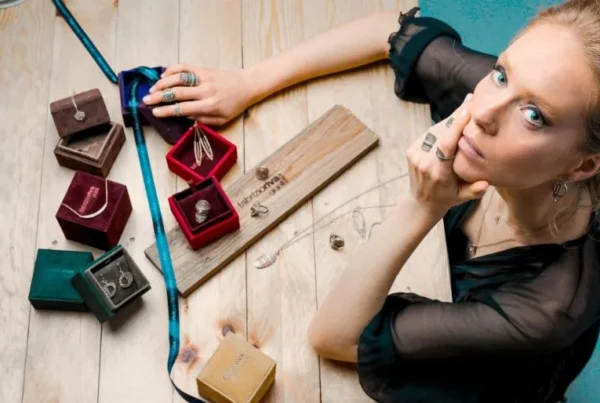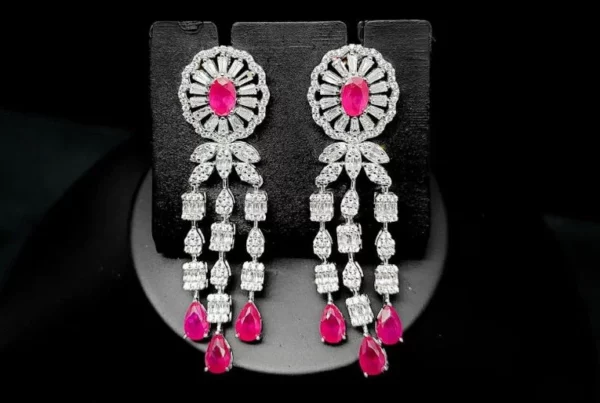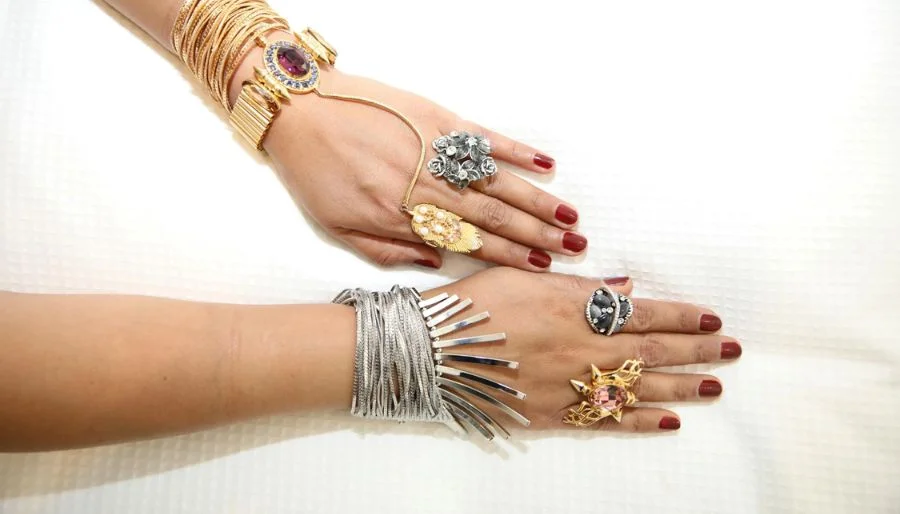
Creating a stunning jewelry collection can feel like a daunting task, but partnering with an OEM manufacturer can streamline the process and elevate your brand. With their expertise and advanced technology, you can transform your design ideas into high-quality pieces that reflect your unique vision. Whether you’re aiming for intricate handmade designs or sleek modern aesthetics, the right manufacturer can help bring your concepts to life.
Understanding OEM Partnerships
OEM partnerships provide a valuable avenue for creating timeless jewelry designs and classic jewelry collections. Collaborating with an Original Equipment Manufacturer (OEM) streamlines the production process and enhances your brand’s capabilities.
What Is an OEM Partner?
An OEM partner is a manufacturer that creates products based on your designs and specifications. These partners possess the machinery and expertise necessary to transform your design concepts into high-quality jewelry pieces. By leveraging their technical skills and advanced production technologies, you can focus on your creative vision and brand growth.
- Increased Production Capacity: Utilize the manufacturer’s facilities to produce jewelry pieces efficiently.
- Quality Assurance: Rely on the manufacturer’s established quality control processes to ensure each piece meets high standards.
- Time Efficiency: Expedite your production timelines, allowing you more time for design and marketing initiatives.
- Cost-Effectiveness: Take advantage of bulk production capabilities, reducing the per-piece cost while maintaining quality.
- Access to Expertise: Collaborate with skilled professionals who can provide insights on trends and materials, enhancing your collection’s appeal.
- Flexibility in Design: Work with manufacturers who can accommodate modifications and refinements to your designs throughout the production process.
Utilizing these benefits allows you to create classic jewelry collections that resonate with your target market while fostering a longstanding relationship with your OEM partner.
Defining Your Jewelry Collection

Defining your jewelry collection involves several critical steps that ensure alignment with your brand vision and market demands.
Identifying Your Target Market
Identify your target market by analyzing demographics such as age, gender, income level, and lifestyle preferences. Gather insights through customer surveys, social media engagement, and competitive analysis. Understand specific needs and desires such as quality, style, and price range. Tailor your collection to meet these factors, increasing the appeal and relevance of your timeless jewelry design.
Establishing a Unique Brand Identity
Establish your unique brand identity by determining the key elements that differentiate your jewelry from others. Consider aspects such as design philosophy, themes, and values that resonate with your target audience. Choose clear branding elements like fonts, colors, and logos that reflect your aesthetic. Remember that a consistent brand identity not only strengthens customer recognition but also supports creating classic jewelry collections that leave a lasting impression.
Creating a Mood Board for Inspiration
Create a mood board for inspiration by compiling images, materials, and textures that embody your design concept. Use platforms like Pinterest or digital design tools to collect visual elements from various sources. Explore trends in jewelry design, color palettes, and customer preferences. Incorporate these inspirations into your collection to guide your OEM partner in realizing your vision accurately, ensuring your jewelry reflects a cohesive and inspired aesthetic.
Designing Your Jewelry Collection
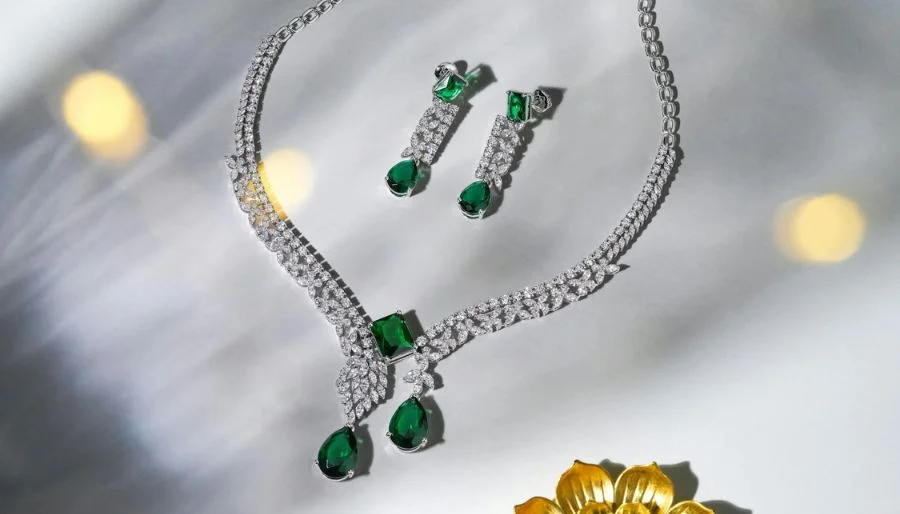
Designing a jewelry collection involves careful planning and execution. Focus on transforming your initial concepts into tangible designs that align with your brand identity and target market.
Sketching Your Ideas
Sketching your ideas creates a foundation for your jewelry collection. Start with hand-drawn illustrations or digital sketches that capture the essence of timeless jewelry design. Experiment with various shapes, styles, and the interplay of materials. Maintain clear notes about your design intentions and the specific elements that will appeal to your target audience. Iteration will enhance creativity, leading to designs that reflect your vision.
Utilizing CAD Software for Design
Utilizing CAD software streamlines the design process, allowing for precise modeling of your jewelry pieces. Choose user-friendly platforms suitable for your design style, such as Pencil, which simplifies the process of creating classic jewelry collections. CAD enables you to assess wearability, aesthetics, and manufacturing feasibility effectively. Leverage the advanced features of CAD software to visualize intricate details and ensure production viability.
Seeking Feedback on Designs
Seeking feedback on designs proves essential for refining your collection. Share your jewelry sketches and CAD designs with trusted colleagues, mentors, or focus groups. Encourage constructive critiques that highlight strengths and areas for improvement. Incorporate valuable insights into your designs to achieve a cohesive aesthetic and meet market demands. Engaging with your OEM partner during this phase can also ensure that your ideas align with production capabilities and material constraints.
Selecting Your OEM Partner
Selecting the right OEM partner significantly impacts the success of creating classic jewelry collections. A thorough approach ensures alignment with your vision and production goals.
Researching Potential OEM Partners
Identify potential OEM partners through industry directories and trade shows. Focus on manufacturers specializing in your desired timeless jewelry designs. Check their reputation by reviewing customer testimonials and their portfolio. Investigate their previous work to assess design adaptability and quality standards. Your partner should demonstrate expertise in crafting pieces that reflect your brand’s identity and vision.
Evaluating Manufacturer Capabilities
Evaluate the capabilities of each OEM partner. Assess production capacity to meet your expected volume. Examine equipment and technology used, ensuring they align with your specific design requirements. Inquire about gemstone and precious metals sourcing to confirm quality and sustainability practices. Schedule factory visits if possible, gaining firsthand insight into their processes and operations. This enables you to envision how they will bring your classic jewelry collections to life.
Negotiating Terms and Conditions
Negotiate clear terms and conditions with your chosen OEM partner. Discuss pricing structures, payment terms, and production timelines. Ensure clarity on quality assurance processes and how issues will be addressed. Outline expectations for communication throughout the production process, fostering a collaborative relationship. A well-defined agreement creates a strong foundation for successful partnership, enhancing your ability to create stunning jewelry collections.
Prototyping Your Jewelry
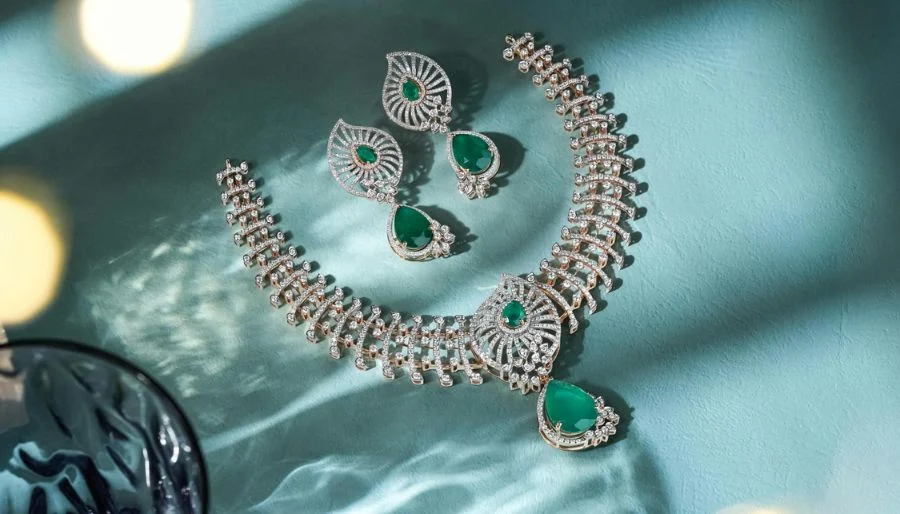
Prototyping plays a critical role in the successful creation of your jewelry collection. This phase allows for the exploration of designs and facilitates customer feedback, essential in developing timeless jewelry designs and creating classic jewelry collections.
Importance of Prototypes
Prototypes serve as a tangible representation of your designs, allowing you to assess aesthetics, comfort, and durability before full-scale production. Prototyping enables efficient iterations based on feedback, identifying areas for improvement early in the process. This practice minimizes costly errors in the final product and enhances alignment with market expectations. By validating each design through prototypes, you secure a higher likelihood of customer satisfaction upon launch.
Sample Preparation and Evaluation Process
Prioritizing meticulous sample preparation sets the foundation for a successful evaluation process. Select a diverse array of designs that accurately represent your collection, ensuring each sample reflects unique elements, such as stones and finishes. Communicate your goals clearly to your OEM jewelry manufacturer regarding the purpose of these samples, specifying their use for evaluation rather than immediate production. Enter the sample evaluation phase with a structured approach, examining craftsmanship and material quality under varying lighting conditions. This thorough analysis provides insights into each piece’s adaptability across different environments.
Collect and document feedback from trusted industry sources, which aids in making informed decisions throughout the prototyping phase. Maintain detailed records of observations to track design refinements. Continuous communication with your OEM partner fosters collaboration and optimizes the sampling process.
Production Planning
Production planning ensures the seamless execution of your jewelry collection, facilitating timely delivery and quality assurance. Focus on establishing clear production timelines and integrating quality control measures throughout the process.
Setting Production Timelines
Setting production timelines provides a structured approach to managing your jewelry collection creation. Outline key milestones such as design finalization, prototyping, and full-scale production. For instance, allocate 4 to 6 weeks for initial design approvals and another 2 to 4 weeks for prototyping. Establish deadlines for each phase and communicate these to your OEM partner. A defined timeline helps maintain momentum and provides a framework for evaluating progress. Incorporate buffer time to accommodate potential delays or modifications, ensuring that you meet market expectations while achieving a timeless jewelry design.
Quality Control Measures
Quality control measures play a crucial role in maintaining consistency and excellence in your classic jewelry collections. Implement procedures to inspect materials and craftsmanship at various stages of production. For example, conduct a quality assessment on prototypes to evaluate aesthetics and durability. Establish a checklist that includes criteria such as material quality, finish, and wearability. Engage your OEM partner in the quality assurance process, ensuring they adhere to your standards and practices. Frequent communication and feedback loops enhance product quality, build trust, and ultimately contribute to successful collection launches.
Marketing Your Collection
Establish an effective marketing strategy to promote your jewelry collection. This strategy must resonate with your brand identity and appeal to your target market’s preferences.
Developing a Marketing Strategy
Define your marketing goals with clear metrics for success. Objectives might include increasing brand awareness, driving website traffic, or boosting sales volume. Identify your target audience using demographic insights and preferences. Utilize research tools like surveys or focus groups to gather feedback on your timeless jewelry designs. Leverage seasonal trends and industry data to tailor messaging and campaigns. Incorporate both online and offline channels in your plan. Allocate budgets effectively across various marketing initiatives, ensuring a balance between traditional advertising and digital platforms.
Utilizing Social Media and Influencers
Leverage social media to showcase your classic jewelry collections through engaging content. Focus on high-quality images, artistic videos, and storytelling posts that reflect your brand’s aesthetics. Post consistently to grow your following and increase engagement, using platforms like Instagram and TikTok to harness their unique features. Collaborate with influencers by providing them with pieces from your collection. Ensure that their audience aligns with your target demographic. Use dedicated posts to generate buzz and social proof around your designs. Combine organic and paid social media efforts to amplify reach and monitor performance to refine content strategies continually.
Common Issues and Troubleshooting
Identify common issues to troubleshoot effectively during the creation of your classic jewelry collections. This section highlights key areas where challenges often arise.
Addressing Design Changes During Production
Changing designs during production can disrupt timelines and budgets. Communicate with your OEM partner regarding any desired alterations as soon as they arise. Establish a change management process that includes documentation of design requests, implications for production timelines, and potential cost adjustments. Proactive engagement ensures your timeless jewelry design stays aligned with original goals while allowing for necessary adjustments.
Managing Delays in Manufacturing
Delays in manufacturing can impact your launch schedule. Prepare for potential setbacks by setting realistic production timelines incorporating buffer periods for unforeseen circumstances. Regularly check in with your OEM partner to monitor progress and identify any issues early on. Discuss contingency plans for situations like material shortages or equipment failures to maintain momentum in creating your classic jewelry collections.
Ensuring Quality Standards Are Met
Maintaining quality standards during production is essential for the success of your jewelry collection. Develop a quality assurance plan with your OEM partner that outlines specific criteria for materials, craftsmanship, and final products. Schedule regular inspections at various production stages to identify discrepancies and implement corrective actions. Direct collaboration with your OEM partner fosters an environment of accountability, ensuring adherence to the highest quality standards and contributing to the overall excellence of your timeless jewelry designs.
Final Thoughts
Creating a stunning jewelry collection with your OEM partner is a rewarding journey. By leveraging their expertise and resources, you can transform your creative ideas into high-quality jewelry pieces that resonate with your audience.
Remember to stay engaged throughout the process from initial concept to final production. Effective communication and collaboration will help you navigate challenges and refine your designs.
With careful planning and a clear vision, you can launch a collection that not only showcases your unique brand identity but also meets market demands. Embrace the partnership and watch your jewelry collection flourish.
Read more