In the evolving landscape of custom jewelry manufacturing, precision is everything. Computer-Aided Design (CAD) technology has transformed how jewelers create intricate pieces, allowing for unparalleled accuracy and detail. With the ability to design in a digital space, you can zoom in on every facet and curve, ensuring that each element of your creation is executed flawlessly.
Gone are the days of relying solely on handcrafting methods that often led to inconsistencies. CAD not only minimizes material waste but also significantly reduces design and mold costs. This means you can achieve stunning, high-quality jewelry without breaking the bank. As customer expectations rise, embracing CAD technology is no longer just an option—it’s essential for delivering the unique, customized pieces that today’s market demands.
The Role of CAD Design in Jewelry Manufacturing
CAD design plays a pivotal role in custom jewelry manufacturing. It enhances precision, allowing jewelers to transform creative visions into meticulously crafted pieces. This technology streamlines design processes, ensuring high-quality outcomes tailored to client specifications.
Understanding CAD Technology
CAD technology involves using specialized software to create detailed digital models of jewelry designs. This software enables you to manipulate 2D and 3D models with exceptional accuracy. While traditional methods rely on manual craftsmanship, CAD provides advanced tools for visualizing every aspect of the design, resulting in intricate details that would be challenging to achieve by hand. Understanding these capabilities helps you appreciate the leap from concept to creation in the jewelry manufacturing process.
- Enhanced Precision: CAD enables precise control over dimensions and proportions, ensuring that each piece aligns with your design intentions. This precision reduces the margin for error significantly.
- Rapid Prototyping: With CAD, you can quickly generate prototypes. This speed allows for testing design concepts and making adjustments before final production, leading to smarter decisions and refined outcomes.
- Reduced Material Waste: CAD optimizes material usage by providing accurate measurements. You can create models that minimize excess material, contributing to cost savings and environmental sustainability.
- Complex Design Capabilities: CAD facilitates the creation of complex designs, such as interlocking pieces or intricate settings. This capability pushes the boundaries of what’s possible, allowing for more innovative and personalized jewelry.
- Client Collaboration: CAD fosters better communication with clients. By presenting 3D models, you can engage customers in the design process, which leads to higher satisfaction and fewer revisions.
- Consistency and Reproducibility: CAD systems ensure that every piece manufactured adheres to the same specifications. This consistency is crucial when producing collections or fulfilling bulk orders.
By integrating CAD technology into your jewelry manufacturing processes, you achieve a combination of creativity and precision, fulfilling modern design demands while enhancing efficiency and elegance in your creations.
Enhancing Precision in Jewelry Design

CAD technology plays a critical role in enhancing the precision and detail in custom jewelry manufacturing. Its capability to deliver accurate designs and streamline the overall design process significantly impacts the quality of the final product.
Accuracy in Dimensions and Details
CAD software ensures precise measurements for every component of your jewelry design. By allowing minute adjustments in dimensions, designers achieve meticulous accuracy that captures every facet of gemstones and intricate filigree patterns. This level of detail not only elevates the aesthetic appeal of each piece but also guarantees consistent quality across collections. With the ability to zoom in on small details, you’re equipped to create custom designs that meet and exceed client expectations.
Improving Design Iteration and Prototyping
CAD technology accelerates the design iteration process, enabling rapid adjustments through digital models. This flexibility allows you to make real-time changes, enhancing collaboration between designers and clients. Simulation of various materials and gemstones increases understanding of how the final piece will look. This capability leads to faster prototyping and fewer design revisions, ensuring that the final product aligns closely with the initial vision. By integrating CAD into your workflow, you streamline the entire design process, increasing efficiency and reducing costs associated with traditional mold-making methods.
Cost-Effectiveness and Efficiency
CAD technology significantly boosts cost-effectiveness and efficiency in custom jewelry manufacturing. By minimizing waste and streamlining processes, CAD contributes to substantial savings over time.
Reducing Waste and Material Costs
Utilizing CAD greatly reduces material waste. Precise digital designs enable you to calculate the exact amount of material needed for each piece. When planning your designs, software tools help you visualize the layout, ensuring each component fits accurately. Additionally, the production of prototypes with CAD systems allows for the testing of various designs before committing to final materials. As a result, you conserve resources, reduce excess inventory, and lower overall material costs, making custom jewelry more affordable for your business and clients.
Streamlining the Production Process
CAD improves the efficiency of the production process significantly. Rapid prototyping capabilities enable you to create and adjust designs quickly, leading to faster turnaround times. With detailed 3D models, you can effectively communicate specifications to manufacturers, minimizing misunderstandings and errors during production. Automation features within CAD systems help maintain consistency in manufacturing, ensuring that each piece meets quality standards. This level of efficiency translates into shorter lead times, allowing your business to meet client demands swiftly while enhancing overall productivity.
Collaboration and Communication
Collaboration and communication significantly enhance the custom jewelry design process. CAD technology fosters an environment where designers, clients, and manufacturers work closely together, resulting in precision and satisfaction.
Facilitating Client Involvement
Facilitating client involvement through CAD technology transforms the design experience. You can share detailed 3D models, allowing clients to visualize their jewelry before production. Clients can offer immediate feedback, ensuring their preferences are reflected in the final product. This inclusive approach minimizes misunderstandings and reduces the number of design revisions required. By encouraging active participation, you create a collaborative atmosphere where clients feel valued and engaged, leading to a superior end product that meets their expectations.
Enhancing Designer-Manufacturer Interaction
Enhancing designer-manufacturer interaction streamlines the production workflow. CAD files can be effortlessly shared between designers and manufacturers, providing clear specifications for fabrication. You can outline precise measurements, materials, and finishes through these digital files. This clarity reduces the potential for miscommunication, ensuring that the final product aligns with the designer’s vision. Furthermore, quick adjustments to designs allow manufacturers to respond swiftly to changes, maintaining efficiency throughout the process. By leveraging CAD technology, you improve collaboration, resulting in faster turnaround times and higher quality, consistent outcomes in custom jewelry manufacturing.
Future Trends in CAD Design for Jewelry
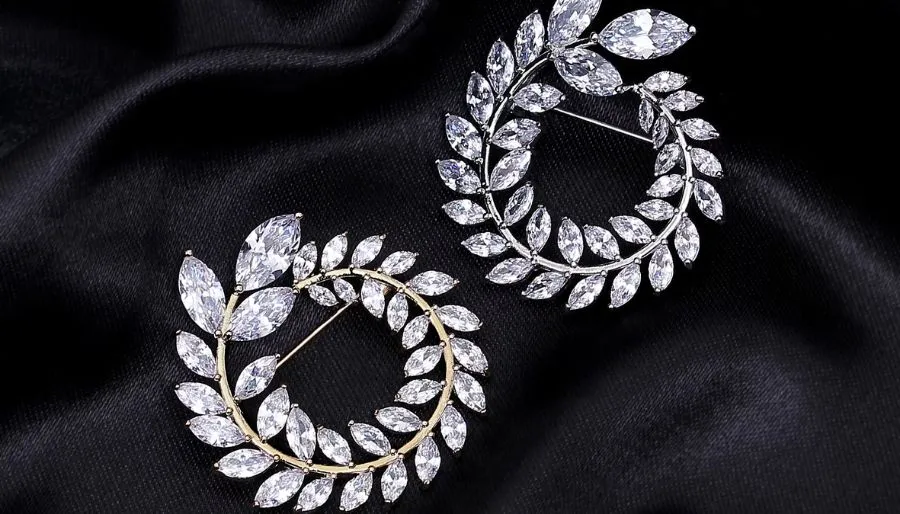
Emerging trends in CAD design are shaping the future of the jewelry industry. Innovations in technology enhance creative possibilities, allowing for unique designs that capture consumer interest.
- Artificial Intelligence Integration: AI tools analyze design trends and suggest modifications to improve aesthetics and functionality. They can automate repetitive tasks, enabling you to focus on creativity.
- Increased Customization Options: CAD technology enables greater customization, allowing clients to personalize each piece. You can offer clients a range of design choices, from materials to gemstone settings, enhancing satisfaction.
- Expanded Use of 3D Printing: Advancements in 3D printing technology facilitate the production of intricate designs. You can create complex shapes that traditional methods struggle to achieve, providing a competitive edge.
- Virtual and Augmented Reality: These technologies allow clients to visualize their jewelry in real-time. By using VR and AR, you can create immersive experiences that engage clients and simplify the decision-making process.
- Sustainability Advancements: CAD’s precision reduces material waste, contributing to more sustainable practices. As eco-friendly values rise among consumers, integrating sustainable practices into your design process can enhance brand appeal.
- Cloud-Based Collaboration: Cloud technology fosters seamless communication among designers, clients, and manufacturers. By facilitating real-time updates and file sharing, you can maintain efficiency and accuracy throughout the design process.
- Enhanced Data Analysis: Utilizing data analytics helps track customer preferences and sales trends. By leveraging this information, you can tailor your designs to meet market demands effectively.
As these trends develop, CAD design continues to redefine custom jewelry manufacturing, enhancing precision while enabling innovative solutions to meet the evolving needs of clients.
Conclusion
CAD design has revolutionized custom jewelry manufacturing by offering unparalleled precision, efficiency, and creative freedom. From intricate detailing to accurate prototyping, it allows designers to bring their unique visions to life with consistency and reliability. However, maximizing the benefits of CAD requires expertise in both design and manufacturing. That’s why it’s essential to work with a skilled OEM jewelry manufacturer who understands the intricacies of CAD technology, material selection, structural integrity, and production feasibility. A trusted partner like Orion Craftsmen can guide you through every step of the process, ensuring flawless execution and high-quality results. Contact Orion Craftsmen today to transform your CAD designs into stunning, precision-crafted jewelry.
Read more