The jewelry manufacturing landscape is undergoing a remarkable transformation fueled by cutting-edge technology and innovative practices. As competition intensifies and consumer expectations rise, embracing advancements like laser engraving and 3D printing is no longer optional—it’s essential. These technologies not only enhance design possibilities but also streamline production processes, allowing for intricate creations that were once unimaginable.
Moreover, artificial intelligence is stepping into the spotlight, optimizing workflows and enabling personalized customer experiences. By harnessing AI, manufacturers can predict trends, manage inventory, and even assist in the design process. As you dive into the future of jewelry manufacturing, you’ll discover how these innovations are not just reshaping the industry but also setting new standards for quality, efficiency, and creativity. The future is bright for those ready to embrace these changes and explore the endless possibilities that lie ahead.
Future of Jewelry Manufacturing Innovations and Technology
The future of jewelry manufacturing lies in embracing innovative technologies that enhance both production and design. Emerging jewelry technology trends, such as artificial intelligence (AI), are revolutionizing how designers create and consumers engage with jewelry. AI-powered tools assist in predicting market trends, optimizing workflows, and personalizing customer experiences, setting new benchmarks for the industry.
Technological advancements like 3D printing and laser engraving facilitate intricate designs and reduce material waste. These innovations not only streamline the jewelry manufacturing process but also allow for greater creativity in jewelry pieces, meeting the increasing consumer demand for uniqueness and personalization.
Sustainability trends are gaining momentum, with the use of recycled materials becoming more prevalent. Some companies have introduced fully recycled precious metals, ensuring ethical sourcing while aligning with consumer expectations for transparency. This shift promotes responsible practices, making the jewelry industry not just innovative but also more environmentally conscious.
In addition to these technologies, biomimicry designs inspire new aesthetics in jewelry, drawing from nature for innovative styles. Smart jewelry, integrating technology with fashion, is on the rise, offering features like health monitoring and fitness tracking, further expanding the range of options available to consumers.
Expect further advancements in the variety of materials and designs available, with newer alloys presenting more choices in colors and carats. The competition in e-commerce will intensify as jewelers invest in technology such as augmented reality (AR) and virtual showrooms to enhance online shopping experiences.
These innovations and technology trends are setting the stage for a dynamic and efficient jewelry manufacturing landscape. The adoption of these advancements is essential for staying relevant and competitive in the evolving market.
Technological Advancements Shaping the Jewelry Industry
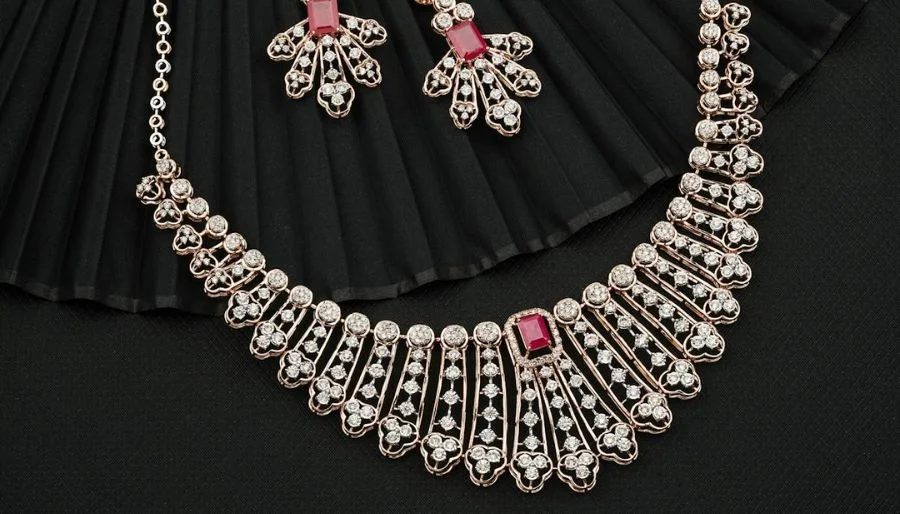
Technological advancements are transforming the jewelry industry by enhancing creativity and efficiency. As the future of jewelry manufacturing unfolds, innovations drive remarkable changes in design and production processes.
3D Printing and Its Impact on Design
3D printing revolutionizes jewelry design, enabling the creation of intricate and unique pieces. This additive manufacturing process allows designers to turn digital concepts into physical prototypes quickly and with minimal waste. You can customize jewelry like never before, collaborating with designers to craft one-of-a-kind items tailored to your preferences. For instance, you might design a personalized pendant or an avant-garde ring that reflects your individual style. The speed of prototyping reduces lead times, making it possible for luxury brands to produce high-end collections efficiently while exploring creative possibilities that traditional methods deem impossible.
Automation and Robotics in Production
Automation and robotics significantly enhance manufacturing processes in the jewelry industry. As robotics technology advances, it streamlines production, resulting in faster output and improved precision. You can expect to see increased use of robotic systems that perform repetitive tasks, allowing human artisans to focus on more complex design elements. By integrating these technologies, manufacturers can maintain high-quality standards while meeting rising demands. Robotics not only cuts production costs but also supports sustainable practices by reducing material waste. In essence, automation shapes the future of jewelry manufacturing, ensuring a balance between innovation, efficiency, and sustainability.
Sustainable Practices in Jewelry Manufacturing
Sustainable practices in jewelry manufacturing reshape the industry by integrating eco-friendly materials and processes. This transition aligns with consumer expectations for responsible products, marking a significant shift toward the future of jewelry manufacturing.
Eco-Friendly Materials and Processes
You’re likely seeing a rise in the use of eco-friendly materials, like recycled metals and lab-grown diamonds, that minimize environmental impact. Jewelry manufacturers increasingly incorporate reclaimed gemstones and biodegradable materials, such as wood or seaweed, in innovative designs. These advancements reduce waste, proving that sustainable practices align with creative expression. Utilizing jewelry technology trends, such as 3D printing, allows for intricate designs while minimizing material usage. This commitment to sustainable processes not only meets consumer demand but also enhances brand reputation.
Ethical Sourcing and Transparency
You may notice that ethical sourcing has become essential for jewelry brands aiming to foster trust with their customers. Brands emphasize conflict-free diamonds and responsibly mined gemstones, ensuring fair labor practices throughout their supply chains. Transparency in these operations builds customer loyalty, as buyers seek more information about the origin of their purchases. The shift towards ethical sourcing and transparency reflects broader trends in consumer behavior, with an increasing preference for products that align with personal values. By embracing these principles, the future of jewelry manufacturing focuses on a more responsible and informed marketplace.
The Role of Digital Technologies in
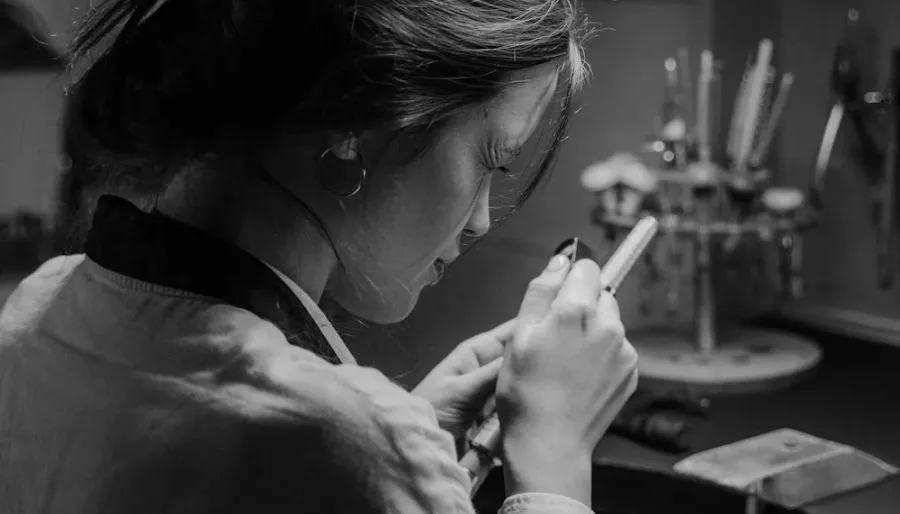
Digital technologies are reshaping the jewelry manufacturing landscape, enhancing the overall customer experience and design processes. Innovations like virtual and augmented reality (VR and AR) and artificial intelligence (AI) are integral to modern practices, allowing for greater engagement and personalization.
Virtual and Augmented Reality in Customer Experience
VR and AR technologies transform how you interact with jewelry. With these tools, you can virtually try on pieces from the comfort of your home, visualizing how each design complements your style. VR creates immersive environments that simulate luxurious showrooms, while AR overlays digital information on actual products in stores, enriching your shopping experience. These technologies promote convenience, increase engagement, and significantly boost confidence in purchase decisions.
The Influence of AI on Design and Personalization
AI dramatically influences the future of jewelry manufacturing by streamlining design workflows and enhancing personalization. AI-driven design tools allow you to customize pieces according to your preferences and tastes. These tools analyze historical data, customer preferences, and market trends, enabling designers to generate innovative concepts efficiently. AI contributes to rapid prototyping, reducing time and costs in the design process. You can collaborate with designers or use online platforms to create unique jewelry pieces that resonate with your personal style, reflecting trends in consumer demand for personalization and meaning.
Emerging Trends to Watch
The future of jewelry manufacturing features several exciting trends. Innovations in design and production are reshaping how you experience and purchase jewelry.
Customization and Personalization in Jewelry
Customization and personalization are at the forefront of jewelry technology trends. You can now create bespoke pieces tailored to your specific tastes. Online configurators and AI-driven suggestions enable you to visualize and design jewelry, from engagement rings to necklaces. Options include choosing materials like gold, silver, or platinum, selecting gemstones, and altering settings to reflect your unique style. These advancements make shopping a more personal and enjoyable experience, building a stronger connection between you and your jewelry.
The Rise of Unconventional Designs
The rise of unconventional designs is transforming the jewelry landscape. Innovative materials and production techniques allow for unique styles that previously weren’t possible. 3D printing enables intricate creations, ensuring minimal waste while enhancing creativity. Smart jewelry combines aesthetics with functionality, allowing for features like fitness tracking and notifications. This merging of traditional craftsmanship with modern technology creates a new era of jewelry that appeals to diverse consumer preferences, leading to a marketplace filled with one-of-a-kind pieces.
Conclusion
The future of jewelry manufacturing is bright and filled with exciting possibilities. By embracing innovations like AI 3D printing and sustainable practices you can stay ahead in a rapidly evolving market. These technologies not only enhance creativity and efficiency but also align with the growing consumer demand for ethical products.
As you explore these advancements consider how they can transform your business and customer relationships. By integrating customization and personalization into your offerings you’ll meet the unique needs of your clientele. Staying informed about these trends will ensure you’re well-prepared to navigate the dynamic landscape of jewelry manufacturing. The journey ahead promises to be both rewarding and transformative for those ready to adapt.
Read more